Stepping into a traditional British pub for the first time can feel a little intimidating. There are no signs telling you where to stand, no obvious queue and no member of staff waiting to show you to a table. Yet despite appearing wonderfully chaotic, Britain’s pubs run on a unique set of unwritten rules that regulars understand instinctively.
Whether you’re visiting from overseas or simply exploring a new local, understanding a few simple traditions will help you fit right in and enjoy one of Britain’s greatest social institutions.
1. There Might Not Be a Queue – But There Is an Order
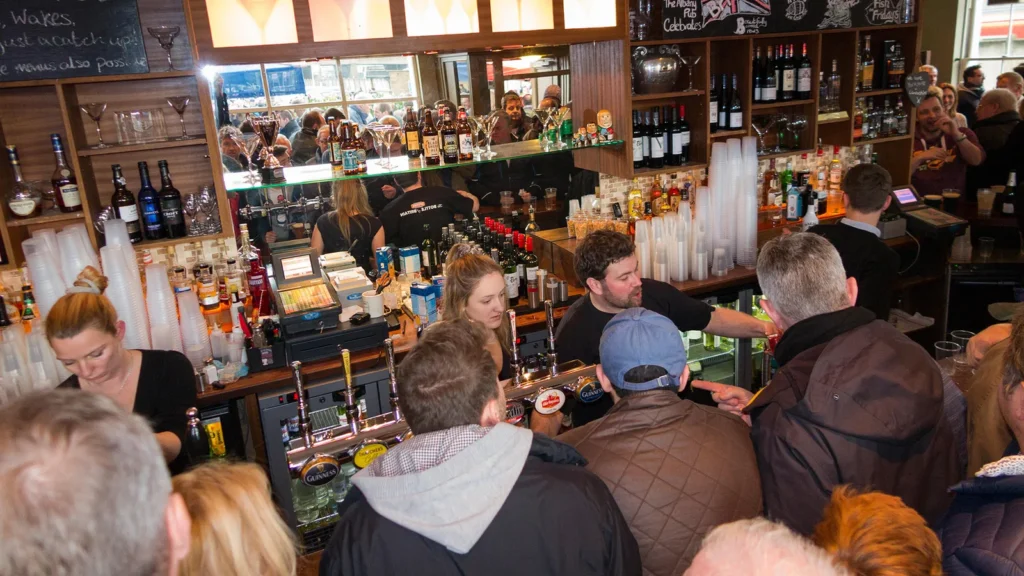
One of the biggest surprises for newcomers is the lack of a visible queue at the bar. Instead of standing in a neat line, customers gather along the counter waiting to be served.
While it may look like a free-for-all, experienced bar staff are usually keeping track of who arrived first. Regular customers often do the same, making the whole process work through patience and mutual respect rather than strict lines.
If you’re waiting for a drink, position yourself where the bartender can see you, make eye contact and wait your turn. There’s no need to wave money, shout across the bar or click your fingers. A polite smile and a little patience will usually get you served much faster than trying to push your way to the front.
If you’re ordering a Guinness, mention it at the beginning of your order. It takes longer to pour than most drinks, so giving staff advance notice helps speed up service.
2. In Most Pubs, You Order at the Bar
Unlike many restaurants around the world, traditional British pubs don’t usually offer table service.
Unless a member of staff tells you otherwise, assume you’ll need to walk to the bar to order both drinks and food before returning to your table.
Some modern pubs, airport venues and gastropubs now offer QR code ordering or table service, but they’re still the exception rather than the rule. If you’re unsure, simply watch what everyone else is doing. If the locals are heading to the bar, that’s your cue to do the same.
3. Understanding the Famous ‘Round’
Few traditions are more closely linked with British pub culture than buying a round.
Instead of everyone purchasing their own drinks separately, one person buys for the whole group before another takes their turn later in the evening.
The system keeps queues moving, saves multiple trips to the bar and creates a sense of generosity among friends.
If someone buys you a drink, it’s generally expected you’ll return the favour when your turn comes around. That said, common sense always applies. Large groups don’t always work through a full round, and if you’re only staying for one drink or leaving early, simply let your friends know.
The key is communication rather than disappearing before your turn arrives.
4. Tipping Isn’t Expected
British pubs have a very different approach to tipping compared with many countries.
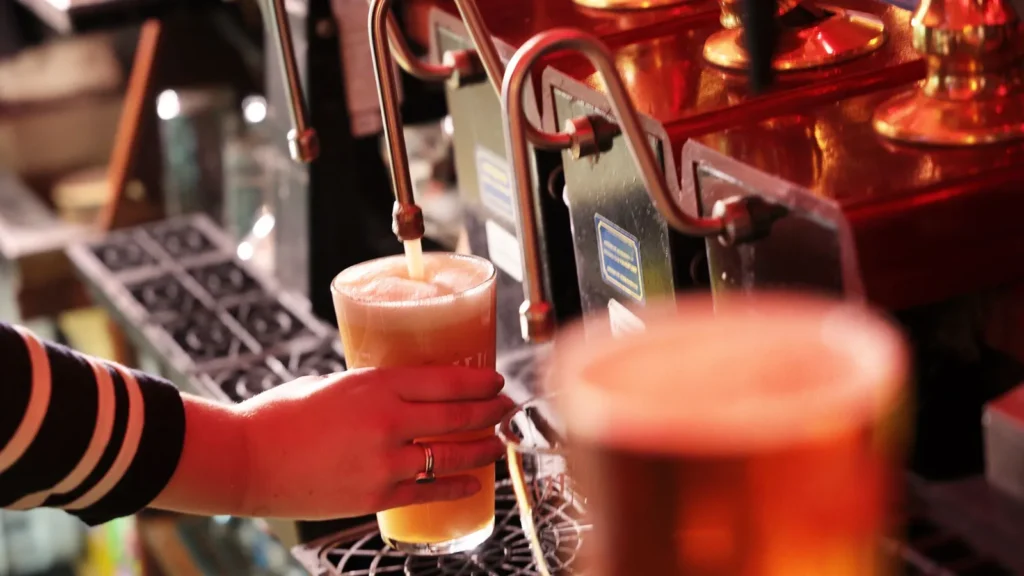
In most pubs you order, pay and that’s the end of the transaction. Staff won’t expect a tip, and offering one won’t move you ahead in the queue next time.
If you’ve received exceptional service, rounding up the bill or telling the bartender to “have one for yourself” is always appreciated, but it’s entirely optional.
5. A Pub Is Much More Than Somewhere to Drink
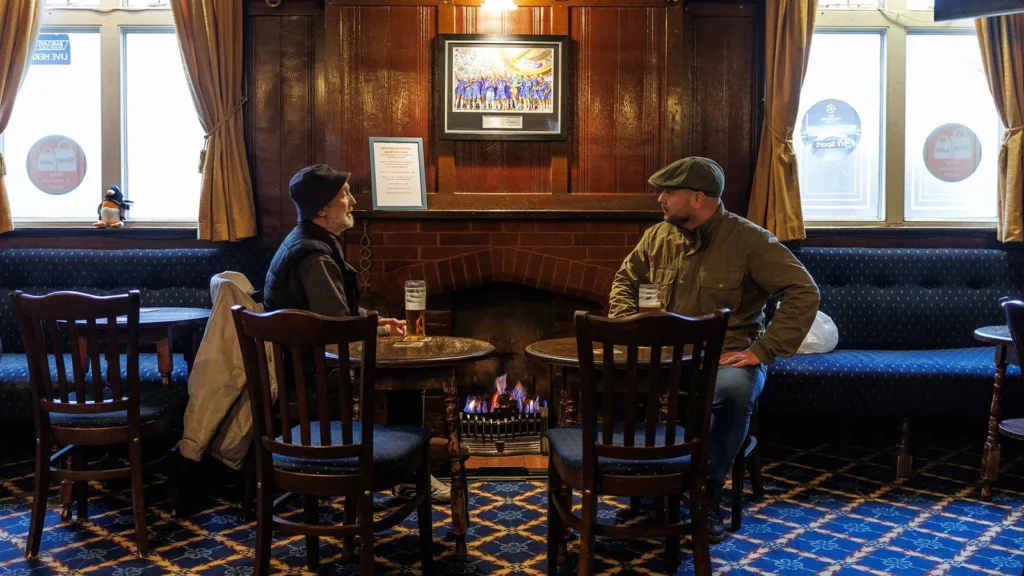
For many communities, the local pub acts as a meeting place, social hub and community living room.
Friends catch up after work, families enjoy Sunday lunch, sports fans gather to watch live matches and quiz teams compete every week.
That community atmosphere means respecting the people around you is important. Keep noise to a reasonable level, avoid shouting across the room and remember that an apparently empty table isn’t always available. If there’s a drink sitting on the table with a beer mat placed over the top, chances are its owner has only stepped outside or gone to the bathroom.
Treat the pub as you would someone’s home and you’ll rarely go wrong.
6. Pub Snacks Are Meant to Be Shared
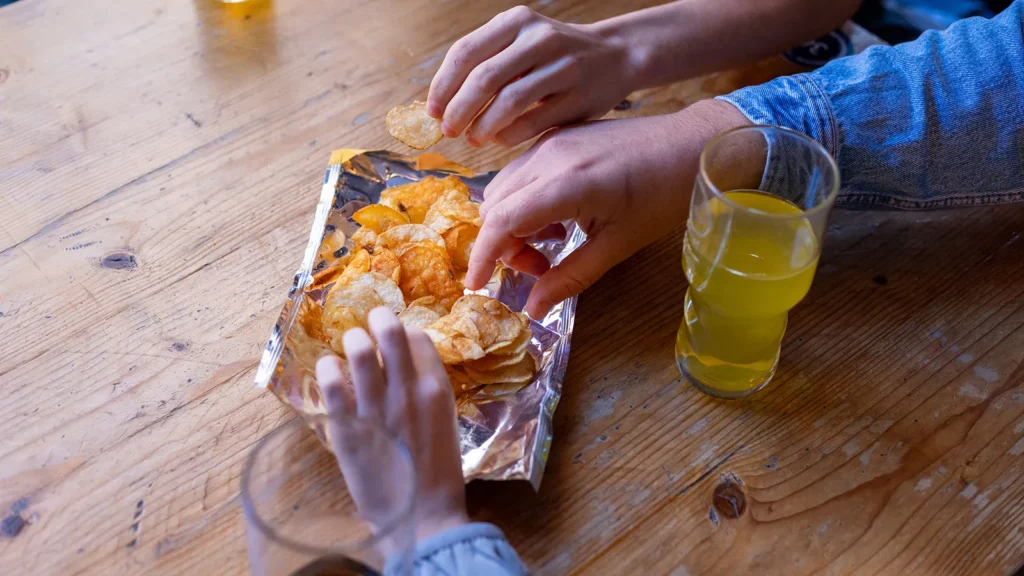
A packet of crisps opened in the middle of the table is usually an open invitation for everyone to help themselves.
Classic pub favourites such as pork scratchings, peanuts, Scotch eggs and pork pies have been part of pub life for generations, often accompanying a pint just as naturally as conversation.
Sharing snacks is another small tradition that reflects the social side of Britain’s pubs.
7. Know When It’s Time to Leave
Every pub reaches the point where the evening winds down.
Traditionally, staff call “last orders” around 15 minutes before closing time, giving customers one final opportunity to buy a drink.
Once service has ended, it’s considered good manners to finish your drink, gather your belongings and leave without delay. Staff have worked hard throughout the evening, and respecting closing time is simply part of good pub etiquette.
The Heart of British Pub Culture
British pubs have evolved over centuries, and while every venue has its own character, the values remain remarkably consistent: respect, fairness, good conversation and community.
Learning these unwritten rules isn’t about avoiding embarrassment—it’s about becoming part of an experience that has brought people together for generations.
Whether you’re enjoying a quiet country inn, a bustling city pub or your own neighbourhood local, understanding the traditions behind the bar will help you feel at home from the moment you walk through the door.


