On my last trip across Bodmin Moor, I finally stopped into the famous Jamaica Inn and ordered their house brew – Jamaica Inn Ale. I’d heard a lot about it, but nothing quite prepares you for that first sip in such a legendary, slightly spooky setting.
First Impressions
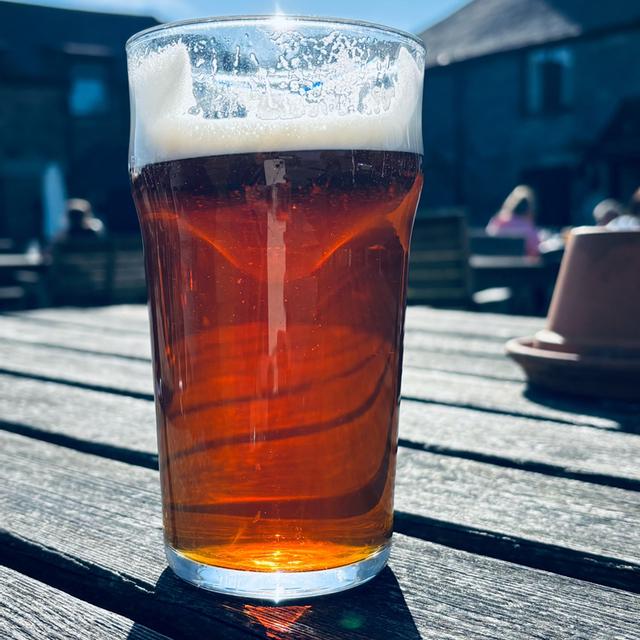
The pint landed in front of me looking exactly how a proper Cornish ale should: a deep amber glow, a decent creamy head, and just enough haze to tell you it hasn’t been over-fussed with. I lifted it up and straight away got that malty, slightly sweet aroma with a whisper of fruit.
A pint of Jamaica Inn Ale enjoyed at the Jamaica Inn on Bodmin Moor – a copper-amber bitter brewed by St Austell Brewery.
The Taste Test
Here’s how it went down:
Look: Copper-amber, inviting, with a clingy head.
Smell: Caramel malt, a touch of citrusy fruit.
Taste: Smooth and malty up front, followed by a crisp, dry finish. Not overpowering, not too hoppy – just balanced.
Strength: 4.2% ABV – session-friendly without leaving you swaying like a shipwrecked smuggler.
I’d call it an easy-drinker. Nothing showy, nothing trendy – just a straightforward bitter that suits the inn perfectly.
What Other Drinkers Say
I did a bit of digging afterwards and saw it averages about 3.3 out of 5 on Untappd. Some people describe it as “hazy with a fruity, dry bitter finish” – which pretty much nailed what I got from it. Others say it’s one of those pints that makes more sense when you drink it at the inn itself, and I couldn’t agree more.
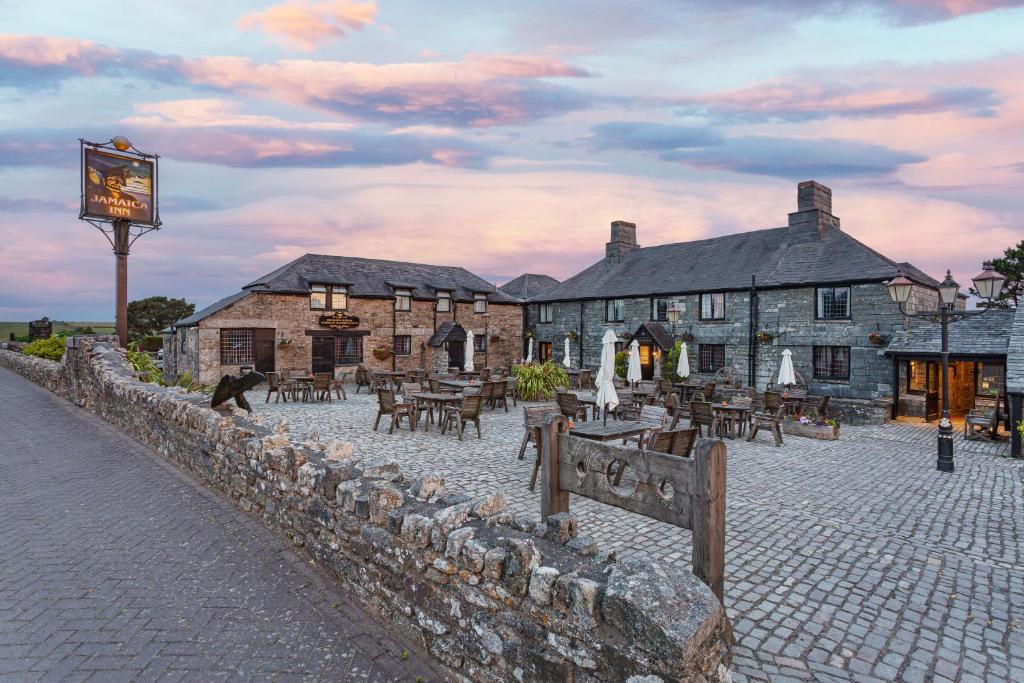
The Jamaica Inn, Cornwall’s legendary moorland pub known for its smuggling history and ghostly reputation.
The Setting Makes the Pint
And honestly, that’s the real magic. Sitting in that 18th-century inn with the fire crackling, smugglers’ tales pinned to the walls, and Bodmin Moor misting up outside, it just hits differently. The beer’s decent, but when you combine it with the history and atmosphere, it turns into one of the most memorable pints I’ve had in a long time.
My Verdict
Would I hunt it down in bottles back home? Maybe. But would I tell anyone heading to Cornwall to stop at Jamaica Inn and try a pint on site? Absolutely. It’s not just about what’s in the glass – it’s about the story you get with every sip.
Step off the A30 and onto the windswept Bodmin Moor, and you’ll find yourself at one of Britain’s most legendary pubs – the Jamaica Inn. This place isn’t just a pub; it’s part of Cornish folklore, literary history, and a must-visit for anyone chasing a pint with a side of ghosts.
A Smuggler’s Haven Since 1750
The inn was built in 1750 as a coaching stop, offering shelter and fresh horses for travellers braving the long, bleak stretch between Bodmin and Launceston. But the remote setting quickly made it the perfect hiding place for smugglers. Rum, brandy, tea, and tobacco would arrive on Cornwall’s rugged coast and find their way across the moor to be hidden within these granite walls.
The name comes from the Trelawney family, who once owned the land and served as governors of Jamaica. The rum connection certainly wasn’t lost on the smugglers who made the inn infamous.
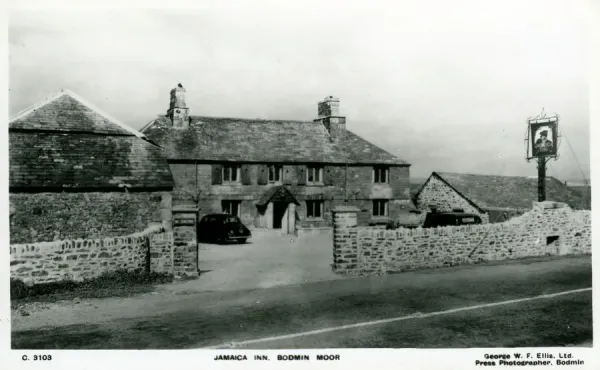
An early image of the Jamaica Inn, the famous 18th-century coaching inn on Bodmin Moor known for smuggling tales and ghost stories.
Du Maurier and Literary Fame
While smugglers gave the Jamaica Inn its early notoriety, it was Daphne du Maurier who cemented its legend. After getting lost in the fog and taking shelter here in 1930, she was so captivated by the atmosphere that she wrote Jamaica Inn (1936), a gothic tale of wreckers, smugglers, and mystery. The book went on to inspire an Alfred Hitchcock film in 1939 and a BBC drama in 2014, ensuring the inn’s spooky reputation lives on.
First Impressions – Atmosphere & Setting
Arriving today, you’re greeted by a sprawling granite building set against the dramatic backdrop of Bodmin Moor. Mist often hangs low, giving the whole place a brooding, cinematic quality. Inside, the inn is everything you want from a historic pub – thick stone walls, heavy beams, crackling fires, and nooks and crannies that whisper with stories of the past.
It’s part pub, part museum, part hotel – and all atmosphere. You can pop in for a pint, stay overnight in one of the 36 rooms, or wander through the Smuggling Museum which houses one of the UK’s largest collections of smuggling artefacts.
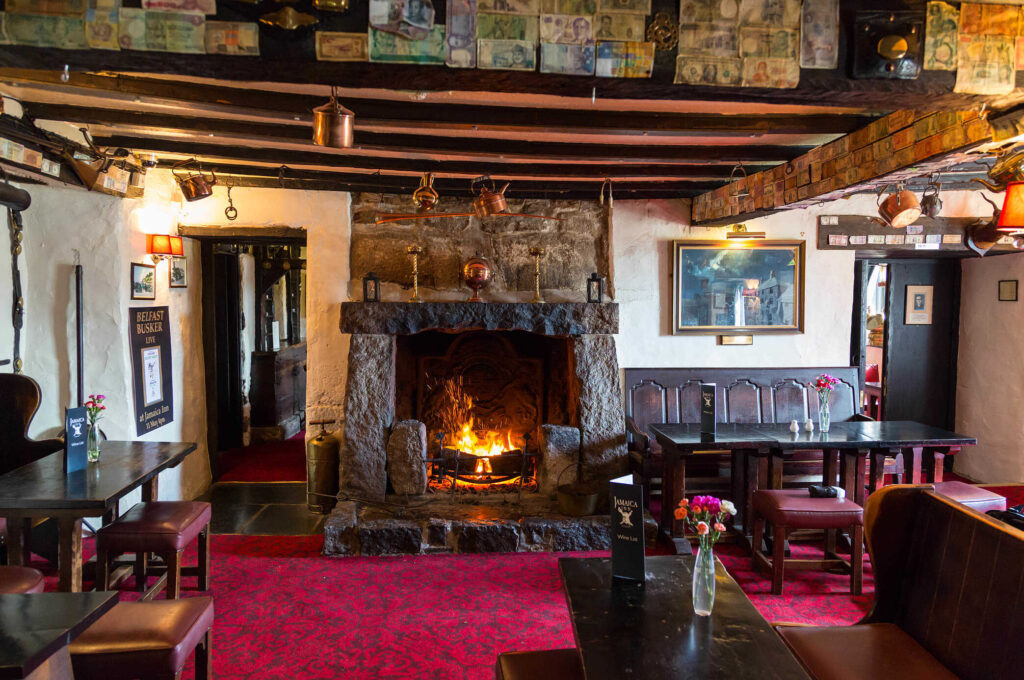
The cosy open fire inside the Jamaica Inn, welcoming visitors with warmth after a windswept walk across Bodmin Moor.
Jail Ale from Dartmoor Brewery – a well-balanced bitter with plenty of character.
Rattler Cider – strong, fruity, and a Cornish icon in its own right.
And for spirit lovers, the shelves are stacked with Cornish gins, single malts, and a solid selection of rums, including their own-label Jamaica Inn Rum and bottles of Dead Man’s Fingers. It’s the kind of bar you could lose an afternoon to, especially if the moor fog rolls in.
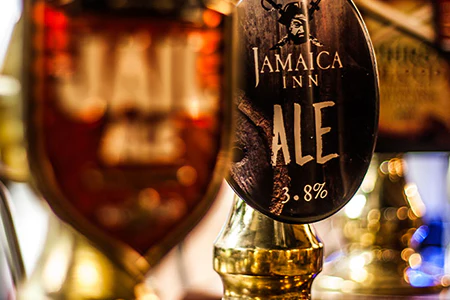
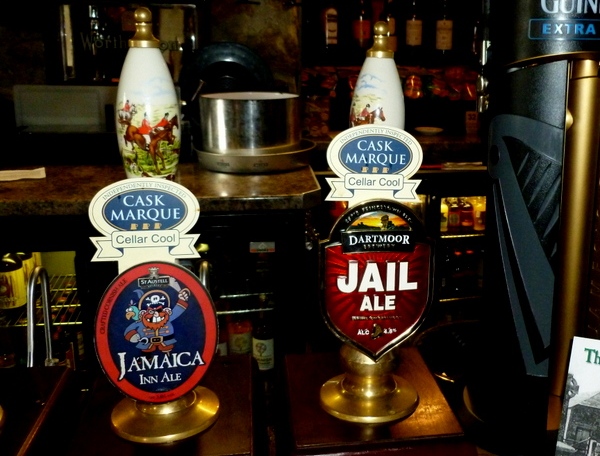
Jail Ale and Jamaica Inn Ale on tap inside the famous Jamaica Inn, Cornwall’s legendary moorland pub.
The Food – Hearty and Proper Cornish
The menu leans into hearty pub classics. Think homemade steak pies, Cornish pasties, beer-battered fish and chips, and Sunday roasts that would satisfy even the hungriest walker. Puddings are unapologetically indulgent – sticky toffee, jam sponge, and Cornish ice creams. Portion sizes are generous, and the food feels like it’s designed to refuel you after a bracing walk across the moor.
Service & Vibe
Despite the inn’s fame, the service feels relaxed and friendly. Staff are used to curious visitors and ghost-hunters, and they’re more than happy to share a spooky story or two if you ask. The vibe balances tourist attraction with working pub – yes, it’s busy, but it still manages to feel authentic.
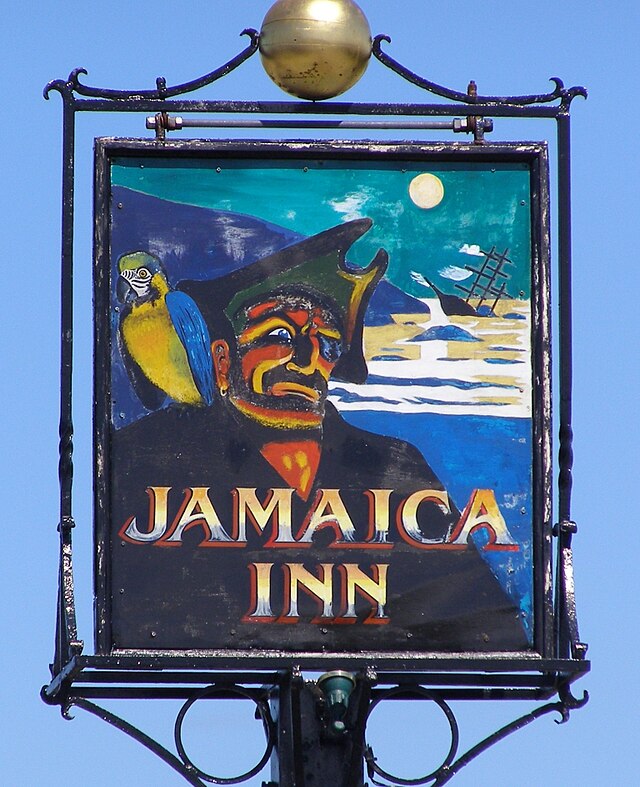
The famous Jamaica Inn pub sign, symbol of Cornwall’s legendary 18th-century smuggling inn on Bodmin Moor.
The Ghost Factor
Of course, no review of Jamaica Inn is complete without mentioning the ghosts. Over the years, guests have reported phantom footsteps in empty rooms, shadowy figures in the corridors, and whispers when no one’s around. Whether you believe in it or not, the atmosphere of the inn – especially at night – makes it easy to see why these tales endure.
Final Thoughts
The Jamaica Inn is more than just a pub – it’s a slice of Cornish history, a living legend, and a cracking place for a pint. Come for the ale, stay for the food, wander the museum, and maybe – just maybe – keep an ear out for those ghostly whispers on the moor.
Would you dare to spend the night in Cornwall’s most haunted pub, or are you just here for the Tribute and Rattler?
In the ever-changing world of UK nightlife, few companies have been through as much transformation in recent years as NEOS Hospitality. Born from the ashes of Rekom UK, NEOS is now positioning itself as one of the country’s most ambitious operators, with a growing stable of brands and a strategy built around experience-led venues.
From Rekom to NEOS
The story begins with Rekom UK, itself descended from the once-mighty Luminar and Deltic nightclub empires. In early 2024, Rekom UK faced financial collapse, entering administration and closing 17 sites in a pre-pack deal.
Out of that restructuring came NEOS Hospitality, backed by private investment and led by CEO Russell Quelch, formerly operations director at Rekom. The company rebranded with a mission to reshape its venues into the “next generation of party bars,” reflecting changing consumer tastes and a shift away from traditional nightclub models.
Building a Portfolio
Today, NEOS operates around 19–24 venues across the UK, and continues to expand. Its portfolio blends reinvented legacy sites with new investments, with an emphasis on distinct themed brands designed to stand out in a crowded market.
The group’s core brands include:
Barbara’s Bier Haus – après ski themed party bars inspired by Alpine lodge culture.
Bonnie Rogue’s – stylish cocktail-led venues.
Circuit – high-energy party bars with modern sound, lighting and VIP features.
District – a late-night bar concept.
Heidi’s Bier Bar and Proud Mary – international crossover brands that continue under NEOS.
Each brand is aimed at a specific demographic and atmosphere, part of the group’s strategy to diversify rather than compete with itself in the same towns.
Investment and Expansion
NEOS has already made some bold moves since launching.
In Bournemouth, it acquired the former Vodka Revolution site on Old Christchurch Road and committed £1.5 million to refurbish and relaunch it as Barbara’s Bier Haus in March 2025.
In York, it opened a new Circuit venue in May 2025 after a £500,000 investment, creating new jobs and modernising a city-centre site.
These projects reflect NEOS’s confidence in UK nightlife, even as pubs and bars across the country face difficult trading conditions. By focusing on themed, experience-driven concepts, the company is betting on a market that values novelty and atmosphere as much as it does drinks and dance floors.
A New Kind of Night Out
Unlike the older nightclub model that dominated the 1990s and 2000s, NEOS’s venues are designed as social, multi-purpose bars. Customers expect more than a DJ and a dark dancefloor; they want immersive décor, themed cocktails, VIP booths, Instagram-friendly moments and unique brand identity.
This shift is part of a wider trend across the hospitality industry. Where pubs struggle against supermarkets and traditional clubs fade under changing habits, experience-led venues have become a growing niche. NEOS has carved out space here, appealing particularly to younger crowds who want “a night out with personality.”
Leadership and Direction
At the helm, CEO Russell Quelch has been clear about the company’s goals: grow a stable of brands that can scale nationally, create themed venues that feel distinctive, and keep pushing into key city-centre locations across the UK.
Quelch has described the Bournemouth Bier Haus as “a vibrant social bar channelling Alpine vibes in the heart of the town,” and York’s Circuit launch as “a reflection of NEOS’s confidence in delivering fresh late-night concepts that match consumer trends.”
What’s Next for NEOS
The company’s expansion is ongoing, with plans to grow each of its core brands across more UK cities. In a sector that has seen thousands of pubs and clubs close in the past decade, NEOS’s investment and growth stand out as a rare vote of confidence.
Whether it’s ski-lodge steins, cocktail lounges, or high-energy party bars, NEOS Hospitality is betting big on the idea that themed, immersive nights out are the future of British nightlife.
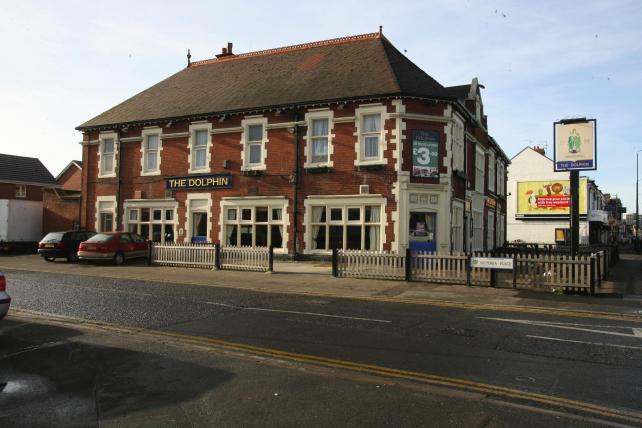
It was once a bustling local watering hole in Springbourne, Bournemouth. But in August 2011, without warning or farewell, The Dolphin pulled its final pint — and within months, it had been transformed brick by brick into a Tesco Express.
The End of an Era
Locals arriving at 316 Holdenhurst Road that summer found the doors locked, the pumps dry, and a note that the pub was closed for good. For many, it was a shock. But not everyone mourned its passing.
Some nearby traders at the time told the Bournemouth Echo the pub had become “rundown” and “a bit of a dive.” Others even welcomed the change, noting that the new supermarket brought cleaner pavements, fewer late-night hangers-on, and more daytime footfall for the high street.
A National Story in a Local Pint Glass
The Dolphin’s fate wasn’t unique. Between 2000 and 2010, more than 11,000 pubs closed across the UK, with the peak hitting in 2009 when 52 pubs were shutting their doors every week. Small, independent boozers in suburban and commuter areas — like The Dolphin — were hit hardest.
The reasons stacked up quickly:
Rising costs: soaring energy bills, business rates up by as much as 140%, and inflation biting into already thin margins.
Processing fees: pubs were losing up to 20% of net profit just to card transaction charges.
Unfair competition: while pubs paid 20% VAT on pints, supermarkets paid zero VAT on food — allowing them to subsidise alcohol prices. At the time, a pub pint might cost £2.40–£4.70, while supermarkets could flog the equivalent for 65p.
Against pressures like that, many pubs simply couldn’t survive.
From Pint to Basket
The transformation of The Dolphin into a Tesco Express became more than just a local planning decision — it symbolised a cultural shift. Where once stood a slightly rowdy but deeply social space, there now sits a clean, efficient, and profitable retail outlet.
For some, it meant losing a community hub; for others, it was the chance to finally pick up a pint of milk without dodging a queue of regulars.
Either way, The Dolphin’s story is a slice of Bournemouth history and a reminder of just how much the pub trade has changed in the last two decades.
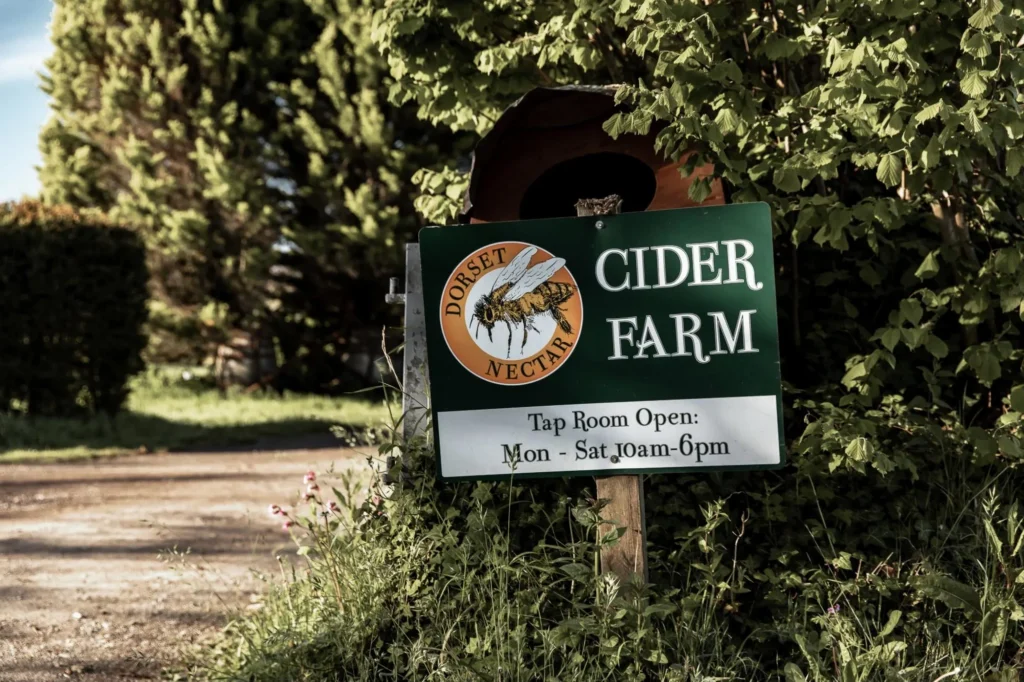
Nestled in the rolling hills of the Isle of Purbeck, just a short distance from the historic village of Corfe Castle, lies the Dorset Cider Farm – the home of the Purbeck Cider Company. More than just a working farm, it has become a destination in its own right: a place where visitors can enjoy the countryside, learn about traditional cider-making, and taste award-winning drinks crafted from locally grown apples.
A Local Success Story
The Purbeck Cider Company was founded in 2006 with a simple vision: to create authentic cider that celebrated Dorset’s rich apple-growing heritage. Starting small, the company pressed local apples in limited batches, selling directly into pubs and farm shops. Demand quickly grew, and with it, the business expanded. Today, Purbeck cider is stocked in pubs, restaurants, and retailers across the South of England and beyond, while the Dorset Cider Farm serves as its beating heart.
From Orchard to Pint
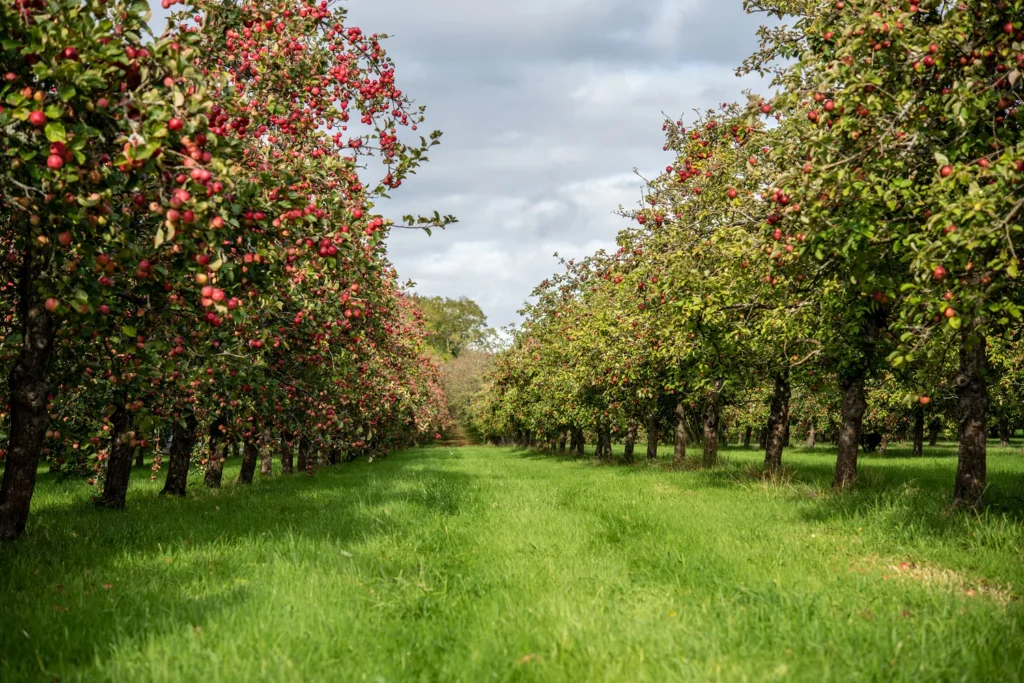
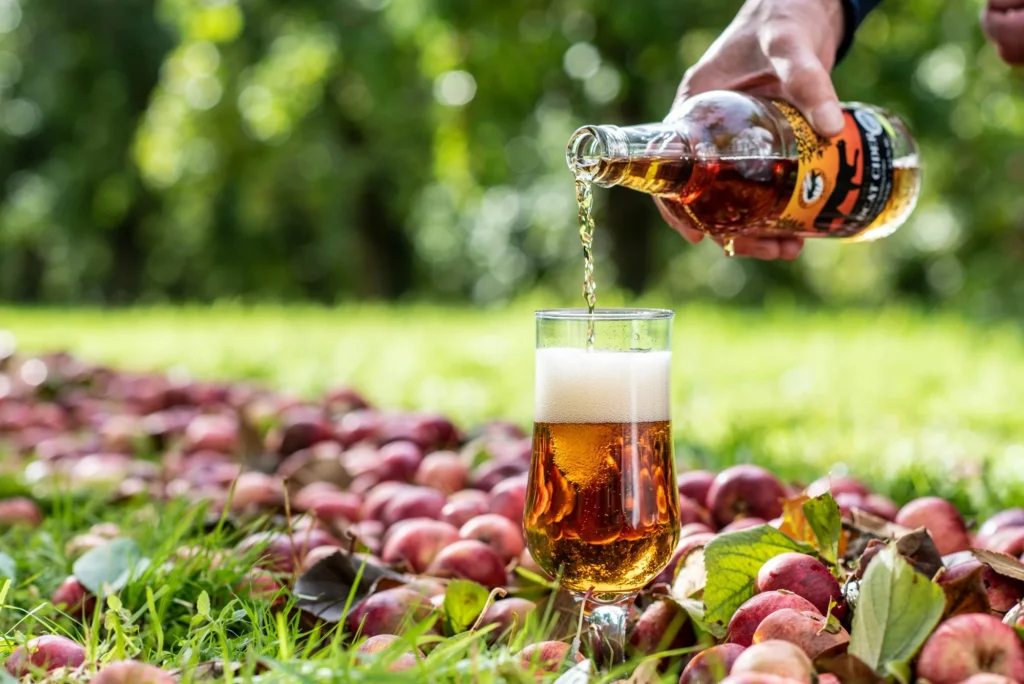
At the core of the farm is its orchard, stretching over 30 acres of countryside. Here, a mixture of traditional Dorset apple varieties and carefully chosen cider apples are grown and harvested. Unlike many mass-produced brands, Purbeck Cider is made using 100% single-pressed British apples, with no added concentrates or artificial flavourings. This approach ensures every pint reflects the natural character of the fruit and the unique conditions of the Purbeck landscape.
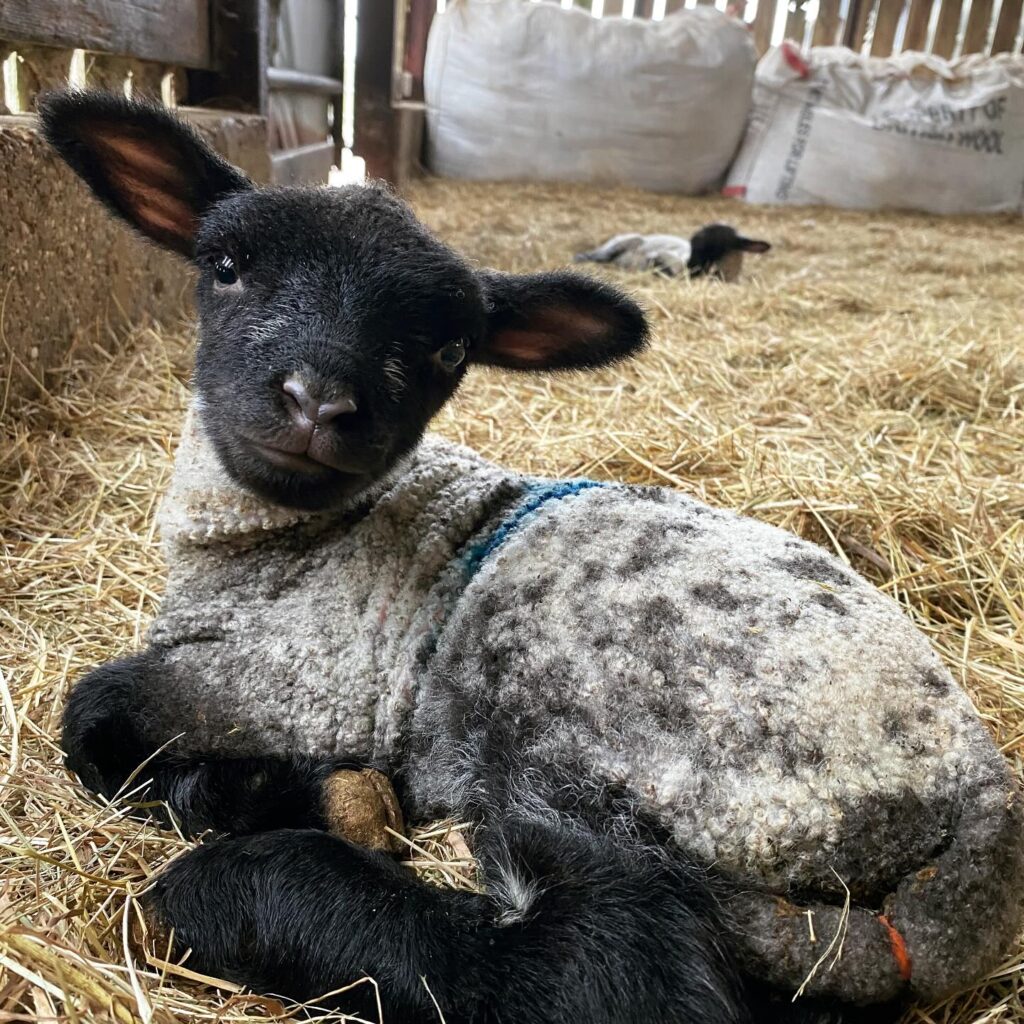
The farming ethos extends beyond the trees. Around 350 Shropshire and Easycare sheep graze the orchards, maintaining the grass and contributing to a sustainable farming system. This integration of livestock and orchards not only helps manage the land but also connects visitors with a more traditional way of farming that has existed in Dorset for generations.
The Taproom Experience
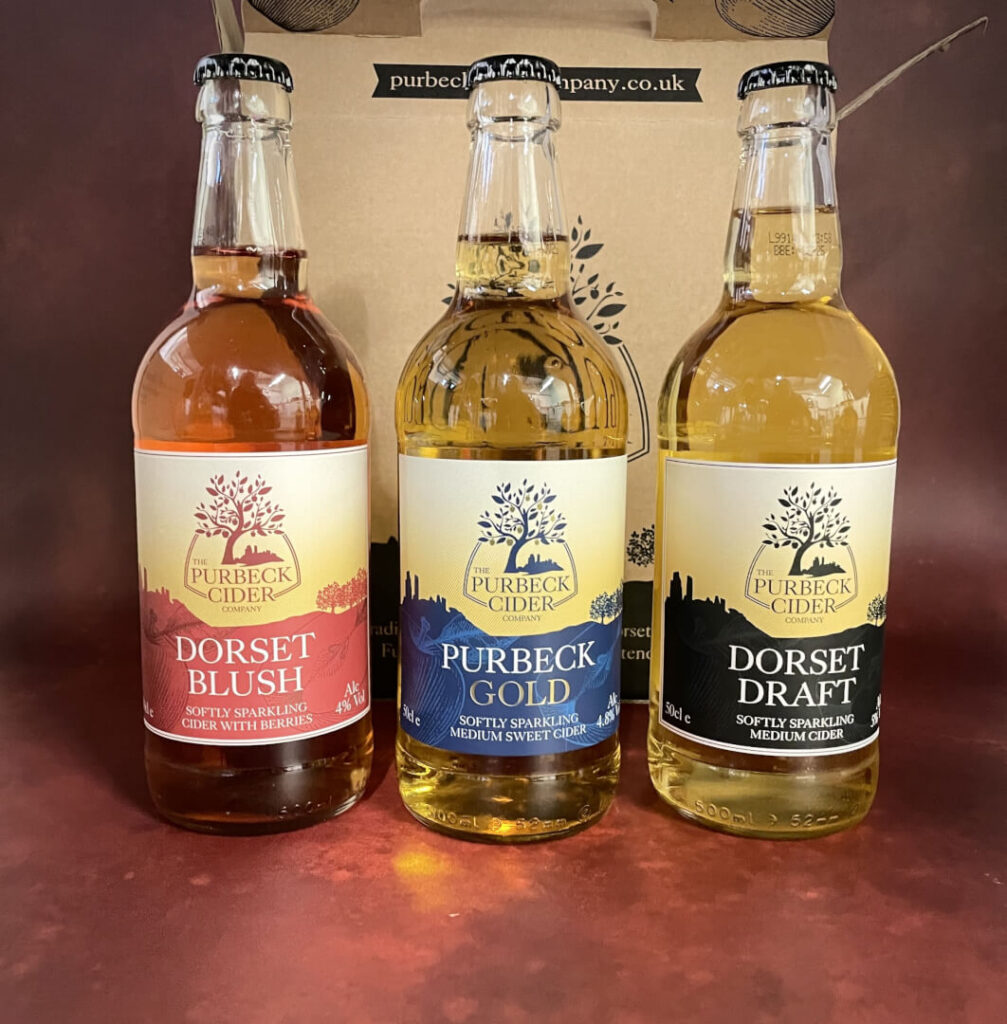
One of the highlights of the Dorset Cider Farm is its welcoming taproom. Here, visitors can enjoy Purbeck’s full range of ciders in the place they were crafted. From the flagship Dorset Draft, a crisp and refreshing favourite, to fruity blends such as Wild Berries and seasonal limited editions, the taproom offers an opportunity to taste and compare.
Knowledgeable staff are on hand to guide guests through the flavours and processes, making it a great place for newcomers to cider as well as seasoned enthusiasts. Whether enjoyed indoors or taken outside into the fresh country air, a glass from the taproom is a true taste of Purbeck.
Shop and Takeaway
The farm shop is stocked with the full Purbeck range, allowing visitors to take a piece of Dorset home with them. Bottles, cans, and bag-in-box cider are available alongside fresh apple juice and branded merchandise. Many visitors choose to collect larger boxes for family gatherings, festivals, or simply to enjoy at home after their visit.
Exploring the Orchard
Unlike many cider producers, Purbeck welcomes guests into its orchard. Open during farm hours, the orchard offers the chance to walk among the apple trees, see the varieties growing, and appreciate the environment that produces such distinctive ciders. The sight of sheep grazing between the rows of trees adds to the charm and provides a reminder that this is a working farm as well as a visitor attraction.
Visitor Information
The Dorset Cider Farm is open almost all year, with hours varying by season:
April – September: Open daily, 10 am – 5 pm
October – December: Open Wednesday to Sunday, 10 am – 5 pm
January – March: Open weekends only, 10 am – 5 pm (with daily opening during February half-term)
Facilities include on-site parking, a picnic area, and wheelchair access to most areas of the farm, though visitors should be aware that orchard paths can be uneven. Dogs are welcome in many areas of the site, but not in the livestock fields for safety reasons.
A Dorset Destination
More than simply a producer, the Dorset Cider Farm has become a destination for day-trippers, families, and cider lovers alike. Its position makes it an ideal stop-off while exploring the wider Isle of Purbeck, with Corfe Castle, Studland Bay, and the Jurassic Coast all close by.
Whether you come to stock up on cider, enjoy a leisurely orchard walk, or spend an afternoon sampling in the taproom, the Dorset Cider Farm offers an experience that is both authentic and memorable. It represents the best of what Dorset has to offer: quality produce, a connection to the land, and a warm welcome for visitors.
A True Taste of Dorset
The story of the Purbeck Cider Company and its Dorset Cider Farm is one of passion, hard work, and respect for tradition. From the careful tending of the orchards to the craft of pressing apples into award-winning cider, everything here is rooted in the Purbeck landscape.
For anyone looking to experience Dorset in its most refreshing form, a trip to the Dorset Cider Farm is essential.
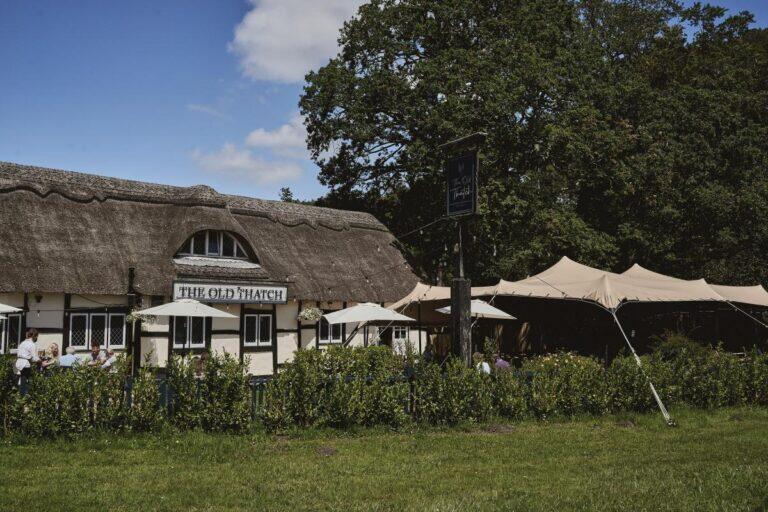
The Old Thatch Pub in Ferndown isn’t just a place to enjoy a pint – it’s a piece of Dorset’s living history. With its rustic thatched roof, charming beams, and welcoming atmosphere, it has become a true favourite for both locals and visitors. As one of the best-known Ferndown pubs, The Old Thatch offers a unique blend of tradition, community spirit, and modern hospitality.
The pub’s history stretches back centuries, with its name paying homage to the classic thatched inns that once dotted the English countryside. Today, The Old Thatch continues to stand proud as one of the most characterful Dorset pubs, offering hearty food, roaring fires in winter, and a beautiful beer garden in summer.
A Celebration of Local Beer
What makes The Old Thatch particularly special is its dedication to showcasing local Dorset breweries. Visitors will often find guest ales from names like:
Hall & Woodhouse (Badger Ales) – A true Dorset brewing legend, with classics like Tanglefoot and Fursty Ferret.
Ringwood Brewery – Famous for Razorback and Old Thumper, staples of the Hampshire/Dorset pub scene.
By offering rotating cask ales and draught lagers, The Old Thatch connects drinkers with the wider beer culture of Ferndown and Dorset.
More Than Just a Pub
The Old Thatch is a true community hub. From live music nights and quiz evenings to family events in the garden, the pub is central to Ferndown’s social scene. Its dog-friendly policy, cosy dining spaces, and wide drinks menu make it a versatile venue for every occasion.
Linking the Story of Ferndown’s Pubs
The Old Thatch is just one chapter in the wider story of pubs in Ferndown. Other notable venues in the area include:
The Pure Drop – A traditional pub known for its friendly crowd and hearty food.
The Forest Inn – Perfect for those who enjoy exploring the edge of the New Forest pubs scene.
Exploring Ferndown’s pubs is a chance to sample both heritage venues and modern gastropubs, each adding its own flavour to Dorset’s pub landscape.
Why The Old Thatch Matters
In an age where many pubs face closure, The Old Thatch remains a symbol of resilience. It celebrates everything that makes the British pub unique – history, beer, food, and community. For anyone wanting to explore traditional pubs in Dorset, this Ferndown gem should be top of the list.
Birmingham has long been celebrated as one of the UK’s great drinking cities. But according to pub expert and YouTuber Dale Harvey, the city’s pub scene is now “in distress”.
Harvey, who runs The Great British Pub Crawl channel, visits pubs across the country, highlighting both the challenges and the successes within the trade. Speaking during the Great British Beer Festival, he warned that a spate of closures has left Birmingham’s pub culture under threat.
Closures Sending Shockwaves
The city has recently lost several well-known venues, including The Post Office Vaults, Wildcat, Tilt and The Anchor.
“The Post Office Vaults was the headline closure,” Harvey said. “Birmingham can’t lose that. There were three or four closures in a week. The Anchor being saved is a saving grace.”
A City He Still Loves
Despite his warning, Harvey was keen to stress his affection for Birmingham.
“I absolutely love Birmingham as a drinking city, it’s one of my favourite places to visit. What I would say is don’t just stick to the city centre. Get out and see the surrounding areas. You’ve got Kings Heath, Moseley, Edgbaston… I could go on. Have a drink in those pubs and keep them alive.”
Pub Culture at Risk
Harvey’s comments highlight the fragile state of pubs in major cities, where rising costs, closures, and shifting drinking habits are leaving gaps in communities. Yet his message also offers hope: that support for neighbourhood pubs in areas like Kings Heath and Moseley can keep Birmingham’s drinking culture alive.
Thornbridge Brewery has breathed new life into one of the oldest traditions in British beer by installing a Burton Union fermentation set at its Riverside brewery in Bakewell. This rare piece of brewing history, dating back to the Victorian era, has become the heart of a new series of beers that celebrate Britain’s brewing heritage.
Reviving the Burton Union System
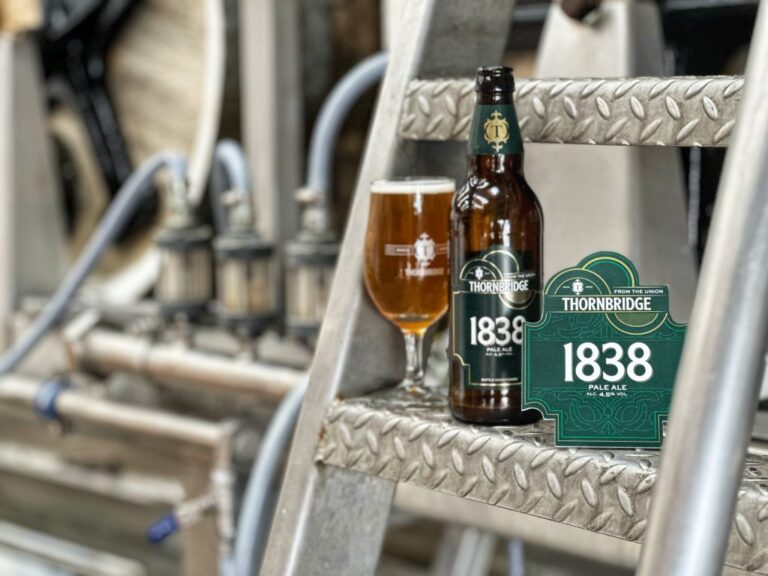
The Burton Union system is a unique method of fermentation using a series of interconnected wooden casks. Once common in the Midlands, it was famed for producing clean, consistent beers with a distinctive character. When one of the last operational Union sets became available in 2024, Thornbridge stepped in to preserve it for future generations.
Jaipur on the Union
The first experiment was with Thornbridge’s flagship Jaipur IPA. A double batch was brewed, with half fermented in the Union and half in modern steel tanks. Drinkers were able to taste both side by side, experiencing subtle differences in body, mouthfeel, and flavour.
Launch of The Union
Building on this success, Thornbridge released a brand-new beer simply calledThe Union. Brewed with Maris Otter malt, crystal malt, and traditional brewing sugars, it used classic British hops including Goldings and Northdown. The result was a 6% cask IPA with aromas of berries and cedar, a firm bitterness, and a minerally finish reminiscent of Burton’s legendary water profile.
The beer debuted in July 2024 and quickly established itself as a hit, securing a permanent place in Thornbridge’s core range.
Expanding the Range
Following the success of The Union, Thornbridge launched 1838, a pale ale named after the year the Burton Union system was patented. Brewed with Maris Otter malt and Savinjski Goldings hops, it delivered a biscuity sweetness balanced by floral hop character.
By early 2025, Thornbridge had positioned the Union set not just as a historic artefact, but as a driver of creativity and innovation.
A Collaboration with Garrett Oliver
In mid-2025, Thornbridge collaborated with Brooklyn Brewery’s Garrett Oliver to create a Strong Dark Mild (5.5% ABV) on the Union system. Combining Maris Otter, Crystal, and Chocolate malts with a unique addition of West African fonio grain, the beer was rich, creamy, and full-bodied. Importantly, it also carried a social purpose — a portion of every pint sold supported The Michael James Jackson Foundation for Diversity in Brewing.
Why It Matters
The revival of the Burton Union system at Thornbridge shows how heritage and modern brewing can work hand in hand. By investing in tradition, Thornbridge is proving that old techniques still have the power to excite drinkers today.
This project is more than nostalgia — it is about creating beers with depth, history, and meaning.
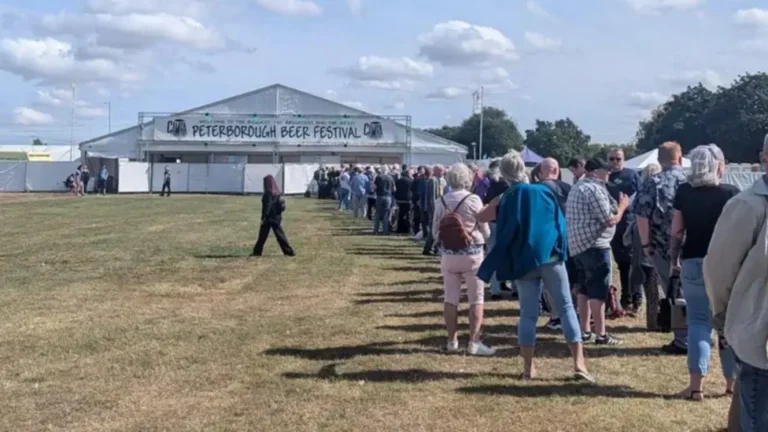
The Peterborough Beer Festival is back for its 46th year, bringing more than 350 beers, ciders, wines and spirits to the city’s Embankment.
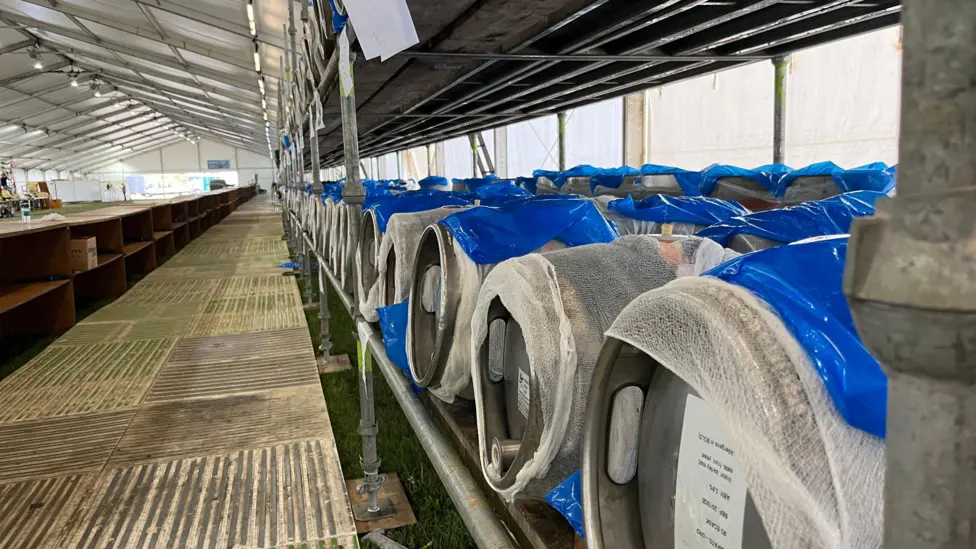
Organisers said this year’s set-up was especially tough, with scorching weather making it “exhausting” to prepare the greenfield site. Chief organiser Mike Lane explained: “It is a greenfield site – there’s nothing there – we have to put the fences up, get the marquees erected and in that heat it was extraordinarily hard work.” Crews relied on water and ice to keep both themselves and the beer in good condition ahead of opening.
Despite the challenges, the festival has returned in style. Stretching more than 91 metres, the event’s famous bar is thought to be the longest continuous beer bar in the UK. Visitors will be able to enjoy a huge range of brews, from crisp lagers and traditional bitters to innovative new ales and ciders.
The event isn’t just about beer. Organisers have made a big push to ensure it appeals to everyone, describing it as a community event with food stalls, a fun fair, and plenty of alcohol-free choices. “We want people to come and enjoy themselves and be responsible and treat it as a family event,” said Lane.
Last year the festival attracted around 25,000 people and raised nearly £19,000 for Sue Ryder’s Thorpe Hall Hospice. This year, organisers are hoping to go one better, setting a £20,000 fundraising target.
Beer historian Steve Dunkley is also on hand at the CAMRA Learn and Discover bar, where visitors can sample ingredients and learn more about how different beers are brewed. “We just want to see everybody enjoying themselves,” he said.
Running until Saturday, the Peterborough Beer Festival remains one of the biggest fixtures in the city’s calendar – and a highlight for beer lovers across the country.
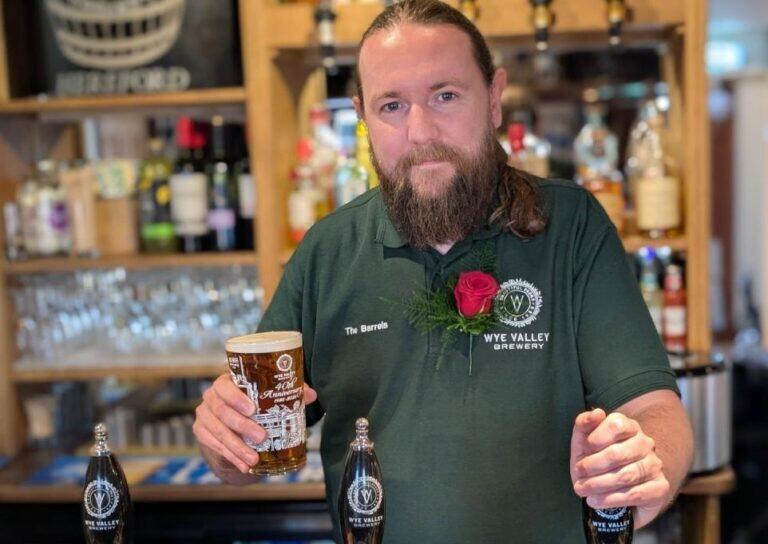
If you needed an excuse for another pint, The Barrels pub in Hereford has you covered. The city’s most famous beer house, backed by Wye Valley Brewery, is once again hosting its legendary charity beer festival – and this year promises to be bigger, busier and boozier than ever.
For years, The Barrels has been the beating heart of Hereford’s beer scene. The pub is owned by Wye Valley Brewery, one of the region’s most respected brewers, and together they’ve turned a good idea into one of the county’s favourite annual events. The festival brings people from across Herefordshire and beyond, all ready to drink for a cause and soak up the unique atmosphere that only The Barrels can deliver.
So what’s on the menu? For a start, more than one hundred real ales and ciders will be flowing across the weekend. Breweries from every corner of the country are sending their best casks and kegs, so expect everything from crisp golden ales and punchy IPAs to farmhouse scrumpies and darker brews for those who like their pint with a bit of weight. It’s not just the locals – guest breweries from further afield also get involved, turning The Barrels into a temporary hub of beer discovery.
Of course, no festival would be complete without a soundtrack. Live music is a major part of the event, with bands and solo acts covering everything from traditional folk to classic rock. Previous years have seen the garden heaving with people dancing, singing, or simply enjoying a pint in the summer sun while the tunes roll on. Add in a variety of food stalls and the pub’s own hearty offerings, and there’s little chance of going hungry between pints.
But what really sets this event apart is the cause behind it. Every year, money raised from the festival goes to local charities. Over time, the festival has generated thousands of pounds to support community groups, health causes, and local projects that directly benefit people across Herefordshire. It’s the kind of event where you can feel good about ordering another round, knowing the proceeds are doing more than just topping up the brewery’s coffers.
If you’re not the type to charge through the beer list, there are also guided tastings run by the Wye Valley Brewery team. These give visitors a chance to learn more about the brewing process, explore flavour profiles, and maybe even find a new favourite pint. Families are welcome during the day, and there’s plenty of space in the garden to spread out, making the festival more than just a drinker’s paradise.
The Barrels charity beer festival has built its reputation on three things: great beer, great atmosphere, and a genuine community spirit. Whether you’re a seasoned ale drinker, a cider enthusiast, or someone who just fancies a lively weekend with friends, it’s a must-visit on Hereford’s social calendar.
So round up your mates, clear the diary, and head to The Barrels for a weekend where every sip counts. You’ll laugh, you’ll sing, and you’ll definitely struggle to remember how many new ales you tried – but at least the hangover will be in aid of a good cause.
To provide the best experiences, we use technologies like cookies to store and/or access device information. Consenting to these technologies will allow us to process data such as browsing behaviour or unique IDs on this site. Not consenting or withdrawing consent, may adversely affect certain features and functions.
Functional
Always active
The technical storage or access is strictly necessary for the legitimate purpose of enabling the use of a specific service explicitly requested by the subscriber or user, or for the sole purpose of carrying out the transmission of a communication over an electronic communications network.
Preferences
The technical storage or access is necessary for the legitimate purpose of storing preferences that are not requested by the subscriber or user.
Statistics
The technical storage or access that is used exclusively for statistical purposes.The technical storage or access that is used exclusively for anonymous statistical purposes. Without a subpoena, voluntary compliance on the part of your Internet Service Provider, or additional records from a third party, information stored or retrieved for this purpose alone cannot usually be used to identify you.
Marketing
The technical storage or access is required to create user profiles to send advertising, or to track the user on a website or across several websites for similar marketing purposes.