
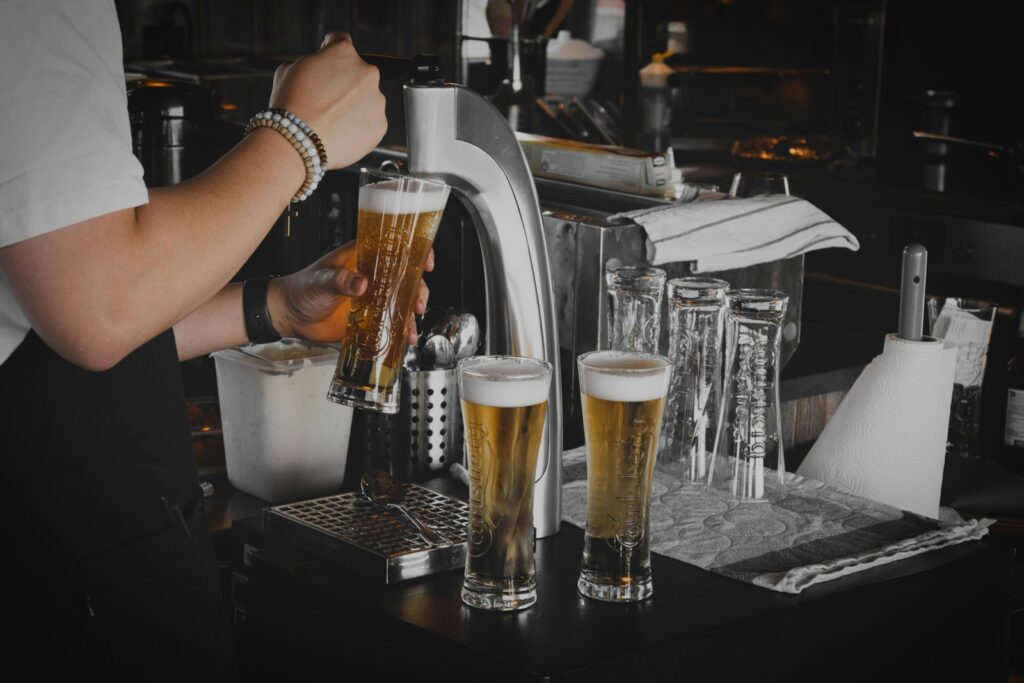
Pub Social opinion & appreciation
She knew who was single, who needed a job and who was having a difficult week. She introduced strangers, listened to worries and helped turn a room full of regulars into something resembling a family. This is an appreciation of the barmaid—and the part of British pub life we risk losing when there is no longer room to pull up a stool and talk.
There was a time when you could walk into your local on your own and be fairly certain you wouldn’t spend the evening feeling alone.
You pulled up a stool, ordered your usual and settled into whatever conversation was travelling along the bar.
Somebody would ask about work. Somebody else would make a joke at your expense. Behind the counter, a familiar face would remember something you’d mentioned last week.
How did the interview go? Was your mum feeling better? Had you sorted things out at home?
They were ordinary questions, but they told you something important: someone had listened.
And very often, the person asking them was the barmaid.
We talk about saving British pubs. We talk about the buildings, the beer, the business rates and the price of a pint. All of those things matter.
But we should talk more about the women who helped make those places worth walking into.
Because a great barmaid could help turn a pub into a community.
The original social network
Before Facebook groups, dating apps and recommendations on your phone, there was the woman behind the bar.
If you were single, she knew who else was single. She probably had an opinion about whether you’d be good together—and might find a way to introduce you without making it look entirely deliberate.
If you needed work, she knew who was looking for another pair of hands.
If you needed a plumber, a room to rent or someone to help move a sofa, there was a reasonable chance she knew somebody worth asking.
She had picked up that knowledge through hundreds of small conversations while serving drinks, collecting glasses and wiping down the counter.
She knew who worked where. Who had just moved into the area. Who had a spare room. Who was reliable.
People who might otherwise have remained strangers found a connection through her.
Sometimes that led to a day’s work. Sometimes a friendship. Occasionally, perhaps, a relationship that lasted much longer than the evening on which it began.
She was the matchmaker, the jobs board, the agony aunt and the person who could tell a newcomer who was who.
We probably never gave enough thought to how much of the local community passed through her hands.
She knew when you weren’t yourself
A good barmaid learned more than what people drank.
She learned their moods.
The regular who usually had something to say but had gone quiet. The cheerful bloke whose jokes sounded a bit forced. The customer who was taking longer than usual to go home.
Sometimes a simple “You all right?” gave someone the opening they needed.
You might have spent the day telling everyone you were fine. Then you sat somewhere familiar, opposite someone who knew you, and finally admitted that you weren’t.
Trouble at home. Worries about work. Someone you missed. A difficult appointment coming up.
She might listen while getting on with the job. She might offer a few straight words, put things into perspective or make you laugh when you hadn’t expected to.
Then, next time you came in, she would ask how you’d got on.
That was the detail that mattered. Your worry hadn’t disappeared from her mind the moment you paid for your drink.
Calling her the local agony aunt or unofficial counsellor captures the affection people felt for that role. It also hints at how much patience and emotional energy she gave, often without much recognition.
The other punters became family
For some people, the local was somewhere to meet their friends.
For others, it was where they found them.
Friendships could develop slowly. A nod became a greeting. A greeting became a conversation. Eventually, you knew about one another’s families, working lives and little routines.
You might have very little in common outside that room. Different ages, different jobs, different opinions about almost everything.
But you got to know each other.
There were people you could sit beside without needing to make an effort. People who would tease you, ask after you and notice if you hadn’t been in.
For someone living alone, newly retired, recently separated or new to an area, that familiarity could become a valuable part of the week.
The other punters were family.
An occasionally argumentative family, certainly. One with strong opinions about football, the weather and whose turn it was.
But a family you could go and sit amongst when you wanted company.
And the barmaid was often the person who had helped you find your place in it.
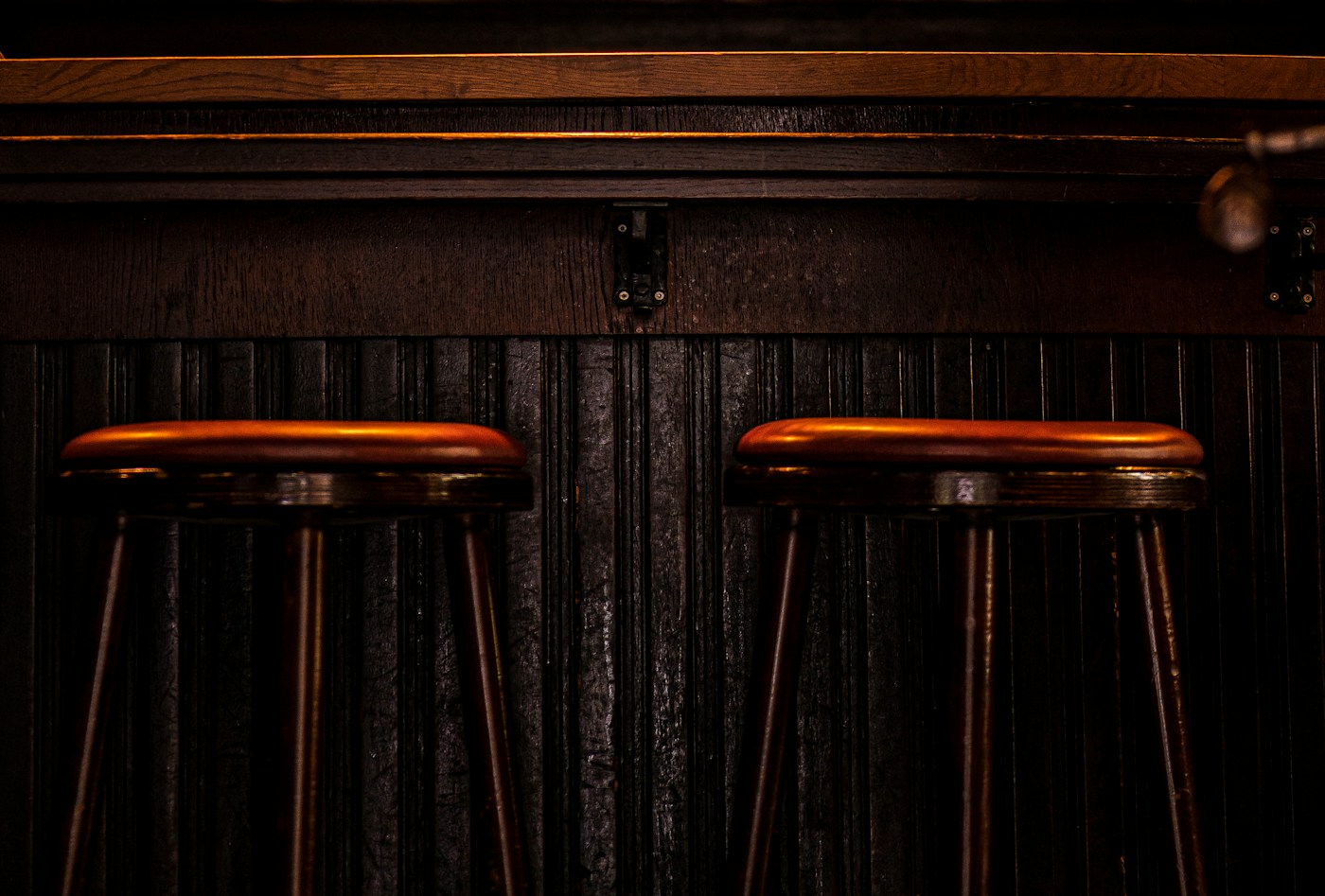
Why a seat at the bar meant so much
It is easy to dismiss a bar stool as a small detail.
Until you walk into a pub alone and there is nowhere that feels natural to sit.
Tables can seem to belong to the people already gathered around them. A couple having dinner. Friends catching up. A family celebrating something.
You don’t necessarily want to interrupt. So you find an empty table, take out your phone and remain on your own.
The bar offers a different possibility.
You can sit beside someone and make a passing comment without intruding on their evening. You can join a conversation gradually, or simply enjoy hearing the friendly noise around you.
The person serving can introduce you, bring you into a discussion or mention something you have in common with another customer.
There is no guarantee of a new friendship. There is, at least, an opportunity.
That is what people miss when they say you can’t sit at the bar in their pub any more.
There are practical reasons to keep parts of a counter clear. Staff need space to work and customers need room to be served.
But somewhere in the pub, there needs to be room for that easy, unplanned company.
When the bar becomes somewhere you only order, pay and move away from, an important part of the experience can slip away with it.
Somewhere to go when life was getting on top of you
Life has always brought problems, but people need places where they can put them down for a little while.
The local could be one of those places.
You didn’t need an invitation, a booking or a special occasion. You could turn up after a miserable day without having to organise a night out or explain why you wanted company.
At its best, it felt welcoming and safe.
You could talk about something difficult without feeling judged. Or you could say very little and sit amongst people who knew you.
Sometimes that was all you wanted.
People don’t always need advice the moment they admit they are struggling. They may need a familiar face, an ordinary conversation and the relief of feeling included.
Being greeted by name could change the shape of an evening.
So could someone moving their coat off a chair to make room for you.
These gestures rarely look important from the outside. To the person receiving them, they can mean a great deal.
The welcome mattered more than what was in the glass
In the older picture of pub life, there might have been cigarettes beside the pint and an ashtray on the counter.
The smoke belongs to another era. The conversation is worth keeping.
Alcohol does not resolve depression, loneliness or the troubles someone brings through the door. Nor should a member of bar staff be expected to replace professional support.
But the company, friendship and sense of belonging deserve to be valued in their own right. That welcome should extend just as warmly to someone ordering tea or a soft drink.
Research reported by the University of Oxford in 2017 found that people with a local pub tended to have larger social networks and feel more engaged with their communities. It gives weight to something many regulars recognise from their own lives: the local can play a meaningful social role.
You don’t need a study to appreciate the comfort of having somewhere to go where someone is pleased to see you.
But it helps explain why losing that place can hurt.
Appreciation means recognising the work
There is a skill in making a room full of different people feel welcome.
Knowing who enjoys a joke and who needs a quiet word. Remembering names. Spotting tension before it becomes an argument. Giving a newcomer some attention while looking after the regulars.
All while serving drinks and keeping the place running.
The women who did that well could make it look effortless. That may be one reason their contribution was so easily taken for granted.
Real appreciation means respecting them while they do the job: listening when they set a boundary, accepting that they are busy and remembering that friendliness is something to value.
They deserved decent treatment on the difficult shifts as much as thanks on the good ones.
Barmen, landlords and landladies have helped create these communities too. Many still do.
This particular thank-you belongs to the barmaid whose contribution people remember long after they have forgotten what the beer cost.
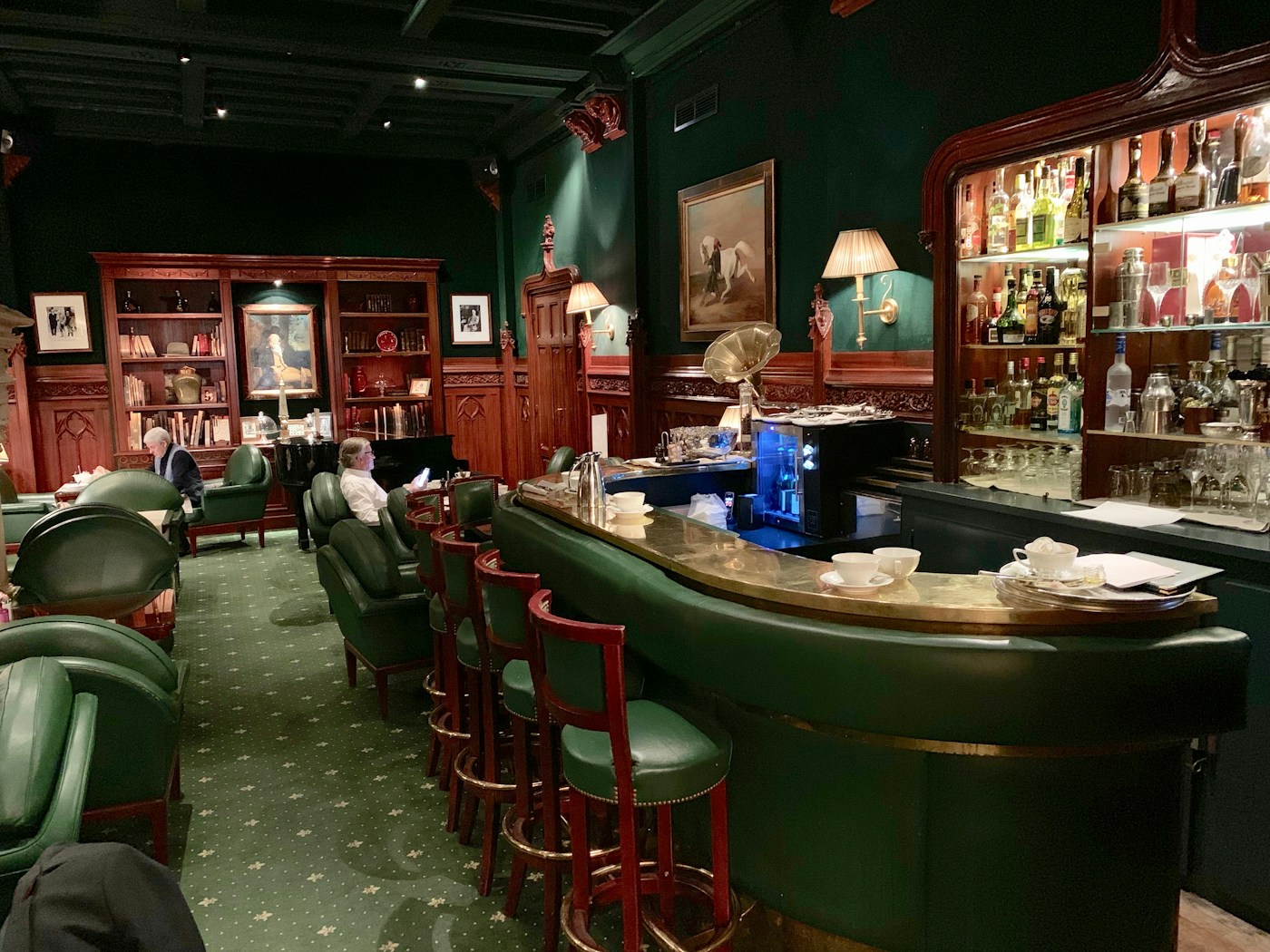
A part of Britain worth keeping
The past wasn’t perfect. Some pubs were unwelcoming, and some people were made to feel they didn’t belong.
The best of the tradition is worth carrying forward more generously: a local where anyone can find a welcome and a place in the conversation.
There are still pubs doing this brilliantly. Still barmaids who know the room, introduce the newcomers and ask after the regular who hasn’t appeared.
We should appreciate them while they are there.
Because when a pub closes—or changes until those everyday relationships no longer have space to grow—people can lose more than somewhere to have a drink.
They can lose a routine. A friendship circle. The place they went when the house felt too quiet.
That is a part of British life worth protecting.
So here’s to the barmaid who remembered your name.
Who knew you were single and had someone in mind. Who pointed you towards a job. Who listened when things were difficult and asked about them the following week.
Who made room for you in a community before you quite realised you needed one.
For many people, she helped make the local feel like home.
We probably never thanked her enough.
Who was the barmaid who made your local special? And can you still pull up a stool and have a proper chat in your pub today?
Featured photograph: Stig Husby / Unsplash. All photographs are illustrative contemporary images, rather than historical photographs of a particular pub or person.


