Home Blog Page 20

Government Announces Business Rates Relief for Pubs Across England

0

Thousands of pubs across England are set to receive a welcome financial boost after the Government confirmed a new support package designed to reduce business rates for pubs, music venues and other hospitality businesses.

Under the new measures, eligible venues will receive a 15% discount on their business rates bills from April 2026, with the relief forming part of a wider three-year package aimed at easing mounting financial pressures on the sector.

For the average pub, the Treasury says the package will be worth around £1,650 during the 2026–27 financial year.


A Lifeline for Community Pubs

Announcing the measures, Treasury Minister Dan Tomlinson described pubs as:

“The cornerstone of so many communities.”

His comments reflect the vital role pubs continue to play as social hubs, employers and community gathering places across the country.

The announcement comes at a time when the number of pubs in the UK has fallen sharply, with nearly 7,000 venues disappearing since 2010.


Industry Pressure After Budget Backlash

The support package follows strong criticism of the Government’s November Budget, which many hospitality businesses said would lead to significant increases in business costs.

The pub sector warned that higher rates and rising operational expenses were placing immense strain on already stretched businesses.

In response, the Government has now introduced targeted relief to help offset some of those costs.

The Treasury estimates the first year of the scheme will cost approximately £80 million, with the value of the following two years to be assessed by the Office for Budget Responsibility.


Opposition Says More Support Is Needed

Despite the announcement, critics argue that the measures do not go far enough.

Mel Stride dismissed the relief as:

“A sticking plaster.”

He questioned whether the package would provide meaningful long-term support to pubs facing escalating bills.

The UKHospitality also warned that hotels, restaurants and other hospitality businesses remain under pressure and called for the relief to be extended more broadly across the sector.

Meanwhile, Liberal Democrat Treasury spokesperson Daisy Cooper said many businesses would still struggle and suggested a temporary VAT cut for hospitality to provide more immediate assistance.


Industry Welcomes the Move

British Beer and Pub Association Chief Executive Emma McClarkin said the organisation would continue supporting pubs as they deal with rising costs and would keep pressing for long-term reform of the business rates system.


Why This Matters to Publicans

For many operators, every pound saved can make a significant difference.

Rising energy costs, wage increases, supplier inflation and taxation continue to put enormous pressure on independent pubs and pub groups alike.

While the 15% discount may not solve every challenge, it offers welcome breathing space for businesses determined to remain at the heart of their communities.


A Sector Worth Protecting

Pubs are more than commercial businesses. They are places where communities gather, friendships are formed and local traditions are preserved.

Any support that helps keep these venues open is likely to be welcomed by publicans and customers alike.

As Britain’s hospitality industry continues to navigate economic pressures, many will hope this relief marks the beginning of more substantial long-term support.
Hospitality Faces “Cliff Edge” as Rising Costs Threaten Pubs and Small Businesses

0

The British hospitality industry is standing on what one publican has described as a “financial cliff edge”, as rising employment costs, VAT and sharp increases in business rates push pubs and small operators to breaking point.

Speaking from the frontline, Lyn Mackenzie, landlady of two Weymouth pubs, has warned that the pressures now facing hospitality go far beyond the price of a pint — and threaten the long-term survival of community venues across the country.

Mackenzie, who runs The Black Dog and The Tin Cat through her company Your Local Ale House Ltd, says the combination of higher National Insurance, rising wages, full-rate VAT and soaring business rates has created conditions many pubs simply cannot withstand.

“This goes far beyond the price of a pint,” she said.
“Hospitality now has its back against a wall.”

Part-time work pushed to the brink

Around a third of Mackenzie’s 24-strong workforce is employed on part-time contracts of between 10 and 15 hours per week — a model she says is essential to hospitality, allowing businesses to flex staffing around busy and quiet periods.

But recent changes to employer National Insurance thresholds mean that once staff work beyond relatively low hour limits, employment costs rise sharply. Mackenzie describes this as a “financial cliff edge” for employers.

The result, she warns, is that part-time roles — relied upon by students, carers, people with second jobs and those supplementing benefits — are becoming increasingly unviable.

“Rather than increasing economic security, it risks reducing employment opportunities and workforce participation,” she said.

Wage rises without support

While Mackenzie supports the principle behind increases to the National Living Wage, she says they are being introduced without meaningful support for employers.

Higher wages, rising National Insurance costs and VAT on food, drink and soft drinks are forcing many businesses to flatten pay structures, reduce hours or cut staffing levels just to remain compliant.

“That undermines morale, retention and progression within the sector,” she said.

Business rates rising by up to 90%

Business rates are described as the most immediate threat. One of Mackenzie’s pubs is facing a 25% increase, while the other is seeing a 52% rise. Nearby hospitality businesses, she says, are reportedly dealing with hikes of between 71% and 91%.

She argues the rises appear arbitrary, lack transparency and bear little relation to a business’s ability to pay.

Across both pubs, Mackenzie estimates an additional £5,000 to £10,000 per month is now needed simply to cover increased National Insurance, VAT and rates.

“There is no realistic source for this income,” she said.
“Customers do not have the disposable income to absorb continual price rises.”

Pubs at a disadvantage to supermarkets

Mackenzie also points to what she sees as a structural imbalance between pubs and large retailers.

Hospitality venues must charge VAT on most food and drink sales, employ trained staff, meet licensing conditions and promote responsible drinking. Supermarkets, meanwhile, can sell alcohol at discounted prices without the same obligations.

“This creates an uneven and unsustainable competitive environment,” she said.

Live music under threat

Live entertainment is another casualty of shrinking margins. Mackenzie explains that live music is funded from profits and is not treated as a deductible operating expense.

As costs rise, entertainment is often the first thing to be cut — despite its wider value to local economies.

In towns like Weymouth, live music supports musicians, venues, accommodation providers and tourism businesses.

“If live music disappears, the damage will ripple through the entire local economy.”

A call for urgent action

Mackenzie is urging government and local authorities to act quickly, warning that without intervention the likely outcomes include closures, job losses, hollowed-out high streets and reduced tax revenues.

Her calls include:

  • Meaningful reform of business rates, including caps on increases
  • A review of employer National Insurance thresholds for part-time staff
  • Targeted support to fund statutory wage increases
  • A reduction in VAT for hospitality
  • Fairer taxation compared with large retailers
  • Formal recognition of live entertainment as an economic contributor

“Without urgent action,” she said, “we risk losing not just pubs, but the social and cultural spaces that hold communities together.”

She added simply:

“Long live the British pub.”

Pub Chain with Leamington Local to Enter Administration

0

Another pub group is feeling the squeeze, with a chain that includes a popular Leamington Spa local confirming it is heading into administration.

The owner of Peach Pubs, which operates several venues across Warwickshire and beyond, has announced it has formally filed to enter administration following what it described as a prolonged period of “external challenges”.

Which pubs are affected?

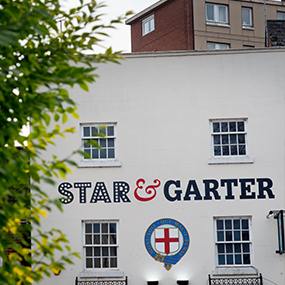
Peach Pubs operates The Star and Garter, along with The Rose & Crown and The Almanack.

The good news for regulars is that all venues will remain open while the administration process plays out.

Peach Pubs is part of Revel Collective, which also owns the Revolution bar chain and Revolucion de Cuba venues across the UK.

What’s going on behind the scenes?

Revel Collective was put up for sale back in October after what it called a “continued period of external challenges” facing the hospitality sector.

The company has now confirmed that talks with a buyer are “well advanced”, but it has still taken the step of entering administration as it attempts to secure a deal.

In a statement, the group said the move was made “to preserve as much value as possible for all stakeholders” while it explores the sale of all or parts of the business.

A growing trend in hospitality

Peach Pubs was acquired by Revel Collective in 2022 for £16.5 million and operates 22 pubs nationwide. Despite attempts to steady the ship, rising costs, squeezed consumer spending and ongoing pressure on hospitality operators have continued to bite.

The announcement follows a wave of recent closures and administration filings across pubs, bars and restaurants, particularly among chains with high operating costs and multiple sites.

What does this mean for locals?

For now, it’s business as usual at The Star and Garter in Leamington Spa, with pints still being poured and kitchens staying open.

But with more pub groups entering administration, many will be watching closely to see whether new owners step in – or whether more familiar names could disappear from the high street.

Is administration becoming the new normal for pub chains – or can the right buyer turn things around?

Iconic Revolution Bar Chain Faces Uncertain Future After Going Bust

0
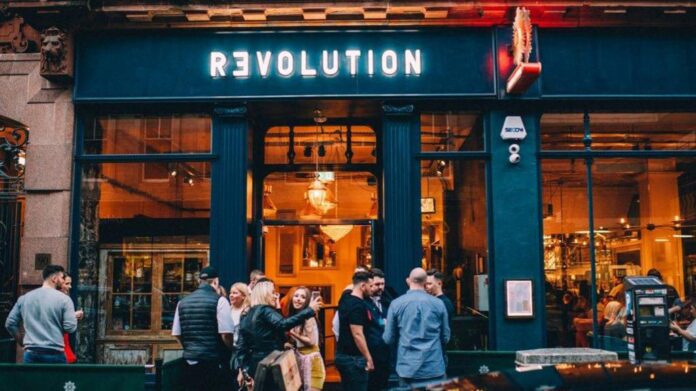
Revolution Bars venue on a UK high street as the bar chain faces administration
A Revolution Bars venue on the UK high street amid uncertainty over the future of the chain.

One of the UK’s most recognisable high-street bar brands could soon vanish from town centres after its owner confirmed it is heading into administration.

Revolution Bars, better known to generations of drinkers simply as Revs, has been plunged into uncertainty after its parent company filed to appoint administrators, citing brutal trading conditions across hospitality.

What’s happened to Revolution Bars?

The chain’s owner, Revel Collective, which operates 62 venues across the UK, confirmed this week that it has formally moved to enter administration after putting itself up for sale last autumn.

The group owns:

  • Revolution Bars
  • Revolucion de Cuba
  • Peach Pubs

While talks with a buyer are said to be “well advanced”, the company has warned that shareholders are unlikely to receive anything once a sale completes.

For now, all venues will continue trading while the administration process unfolds.

‘Challenging economic conditions’

In a statement, Revel Collective blamed a perfect storm of rising costs, falling consumer spending and government policy changes for pushing the business to the brink.

The group directly criticised decisions taken in the first Labour budget under Chancellor Rachel Reeves, including:

  • Increased employer National Insurance contributions
  • A rise in the minimum wage
  • Higher duties on spirits, which the company says will add £4 million a year to its costs

Executives said these pressures had made trading conditions “increasingly unsustainable”.

Closures already under way

In an attempt to survive, the company launched a turnaround plan that saw 15 loss-making venues shut. That included several Revolution and Revolucion de Cuba sites across England.

However, the closures weren’t enough to stabilise the business.

Administrators are expected to be formally appointed within the next 10 days.

A wider hospitality crisis

The news comes amid mounting evidence that the UK hospitality sector is under severe strain.

New figures from consumer research firm NIQ revealed that 384 hospitality businesses closed in the final three months of 2025 – more than four closures every single day.

By the end of the year, there were just 98,914 hospitality sites still operating nationwide.

Karl Chessell, director of hospitality operators at NIQ, said the sector is being battered by “relentless increases in operating costs”.

Help coming – but not for everyone?

The announcement also lands on the same day the government is expected to unveil a £300 million support package for pubs, with pubs set to receive around £100 million a year until 2029.

However, restaurants, bars and night-time venues are expected to miss out, raising concerns that chains like Revolution may not benefit from the lifeline.

What happens next?

For now, Revs fans can still order their vodka Red Bulls and cocktail trees, but the long-term future of the brand hangs in the balance.

If a buyer can’t be secured quickly, one of the most recognisable names on the British high street could quietly disappear.

Is this the beginning of the end for big-name bar chains – or can Revolution still be saved?

Government Unveils Lifeline for Struggling Pubs – Here’s What We Know So Far

0
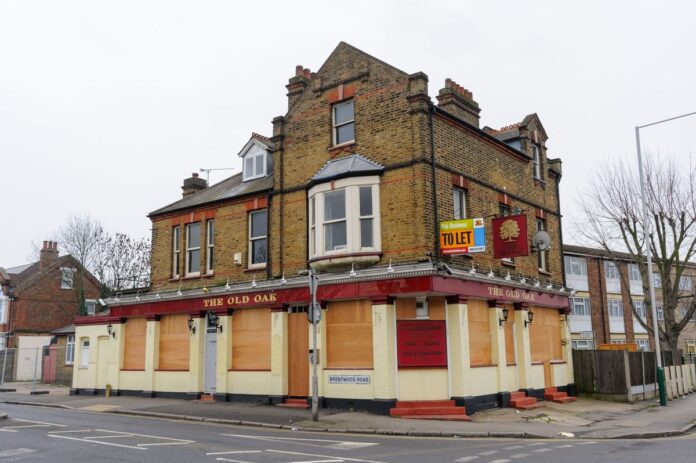
Closed British pub with “To Let” sign outside as closures hit UK pub industry
A closed community pub now up for let, highlighting the ongoing crisis facing UK pubs.

Britain’s pubs might finally be getting a bit of breathing space. After months of warnings from landlords and industry bodies, the government has confirmed a major support package for pubs, set to be unveiled today.

With closures piling up and publicans warning they’re at breaking point, the Treasury says it has listened – and help is on the way.

A much-needed boost for boozers

The announcement comes after fresh figures revealed 188 pubs shut their doors in the final three months of last year alone. That’s nearly two pubs every single day, many of them community locals that rely heavily on drinks rather than food to survive.

Pressure has been mounting on Chancellor Rachel Reeves, with warnings that planned changes to business rates this April could have pushed even more pubs over the edge.

Now, the government appears to be stepping in just in time.

What’s in the support package?

While full details are expected later today, ministers have confirmed the package will focus heavily on business rates relief, an issue that’s been causing sleepless nights for landlords across the country.

Treasury sources suggest the support could be worth around £100 million per year, alongside potential changes to licensing rules that many in the trade say are long overdue.

Treasury Minister Dan Tomlinson is due to set out the plans in a Commons statement this afternoon, saying the measures are designed to protect pubs from the sharp rise in bills expected this spring.

Why this matters now

Under current plans announced in last year’s Budget, pubs were facing:

  • Higher business rates
  • The end of Covid-era discounts
  • Rising costs across energy, wages, and supplies

Industry leaders warned that April could have triggered a new wave of closures. Earlier this month, the government confirmed it would soften those changes, with the Chancellor acknowledging the plight of publicans.

Today’s announcement looks like the clearest sign yet that ministers are taking the pub crisis seriously.

Community pubs hit hardest

The latest data paints a worrying picture:

  • 123 community pubs closed in just three months
  • 56 food-led pubs disappeared
  • 9 high-street venues also shut

These aren’t trendy cocktail bars or destination gastropubs – they’re the locals where quiz nights happen, darts teams form, and neighbours actually talk to each other.

Is this enough?

While the package will be welcomed, some MPs and industry voices are already calling for wider support across hospitality, including for live music venues and late-night spaces.

For now though, many landlords will just be relieved to hear that help is finally coming.

Will this be enough to save the Great British pub – or is it just a sticking plaster?
Let us know what you think, and tag your local.

RedCat unwraps a bumper December

0
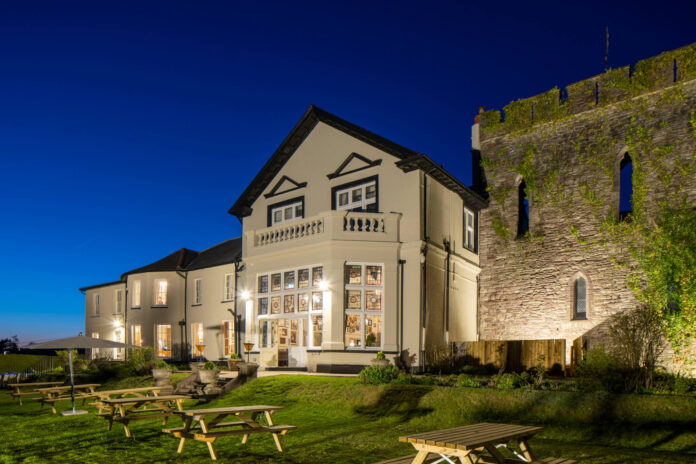
The Castle of Brecon pub and hotel in Wales following refurbishment, showcasing its historic exterior and hospitality offer
The Castle of Brecon enjoyed a standout December following a major refurbishment completed in 2025.
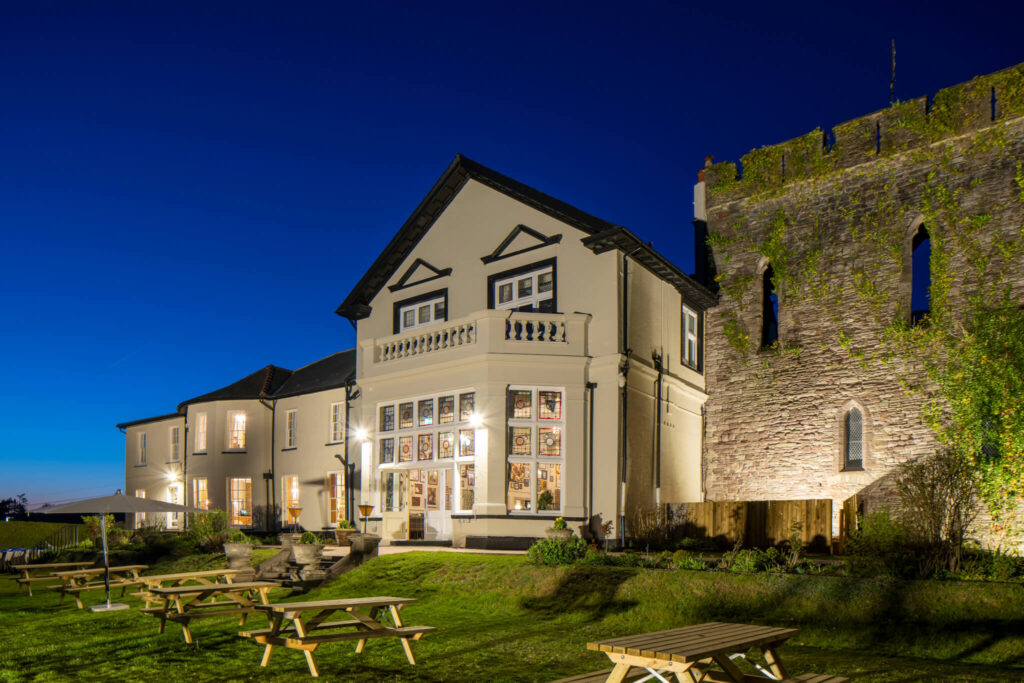
The Castle of Brecon pub and hotel in Wales following refurbishment, showcasing its historic exterior and hospitality offer
The Castle of Brecon enjoyed a standout December following a major refurbishment completed in 2025.

If you thought Christmas trading was tough for pubs, RedCat Hospitality has just proved otherwise.

The operator behind The Coaching Inn Group and RedCat Independent Pubs has revealed strong like-for-like sales growth right across December 2025 — and the numbers make for some very festive reading.

Big Christmas numbers

Over the crucial two-week period covering Christmas and New Year, the Coaching Inn Group delivered a hefty 11.7% like-for-like sales increase. Stretch that out over the full six-week festive season and growth still landed at a very healthy 8.4%.

And it wasn’t just bums on seats. RedCat also reported growth across food, drink and bedrooms, alongside record guest scores for December, showing customers weren’t just turning up — they were leaving happy too.

Refurbs paying dividends

A couple of standout sites showed exactly why investment matters. The Castle of Brecon and The Warwick Arms Hotel both performed exceptionally well following major refurbishment projects completed in 2025. Fresh rooms, smart bars and a polished offer clearly did the trick.

Independents still smashing it

Meanwhile, the RedCat Independent Pubs estate also enjoyed a strong festive run, posting 5.6% like-for-like growth across the peak Christmas fortnight and 2.2% growth over the full six weeks.

Several sites hit their best-ever trading weeks, with The Lion Inn stealing the spotlight after pulling in a massive £215,000 in its peak week alone. Not bad going at all 🍻🔥

Ending the year on a high

CEO Richard Lewis said the group finished 2025 “on a real high”, praising teams across the business for their dedication and focus during one of the busiest times of the year.

With strong sales, happy guests and refurbs already delivering results, RedCat’s festive performance shows that well-run pubs can still absolutely clean up at Christmas.

Would these numbers tempt you out for one more festive pint next year? 🍺👇 Tag the mate who always books the pub with rooms.

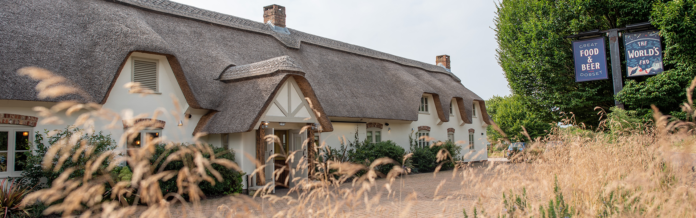
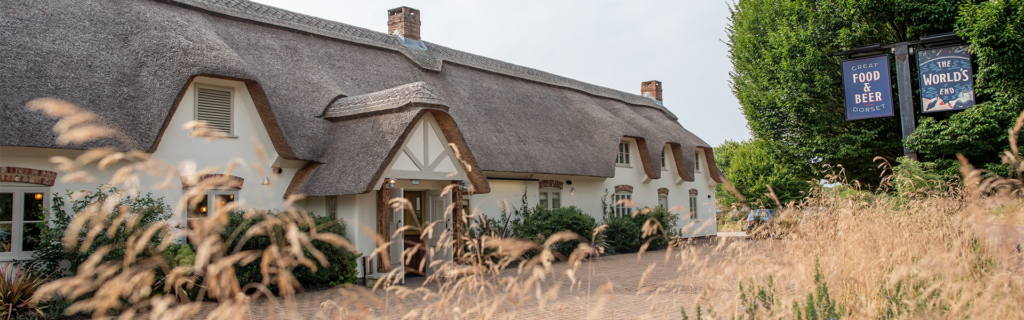
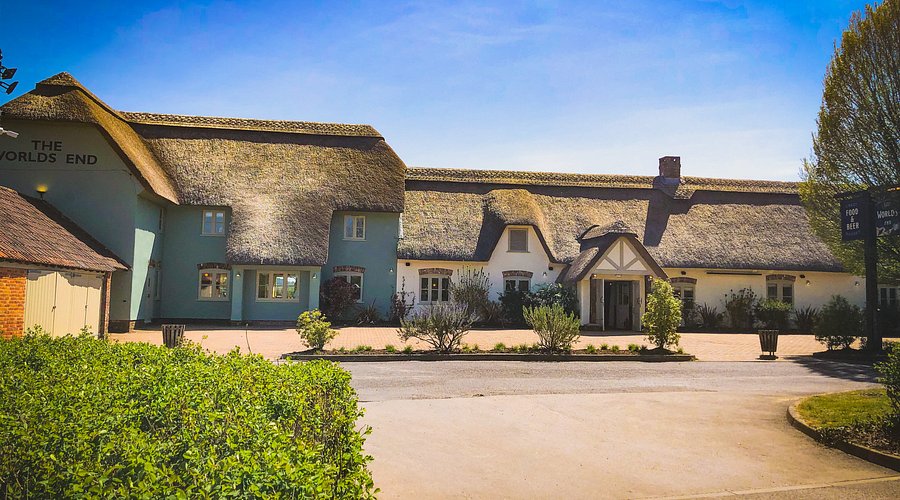
The World’s End Inn, Dorset: The Pub You Reach Without Meaning To

0

There are pubs you plan your day around, and then there are pubs you arrive at. The World’s End is firmly the second kind. You don’t book it, you don’t schedule it, and you don’t usually intend to stop for long. You just find yourself there, somewhere on a quiet Dorset road, wondering how a place with such a dramatic name can feel so immediately familiar.

Set in the small village of Almer, just outside Shaftesbury Pubs, The World’s End Inn sits exactly where a proper countryside pub should: on the edge of things. Not the end of the world, despite the sign, but very much the edge of the everyday.

A Name That Means More Than It Says

“The World’s End” is one of those pub names that predates marketing departments. Names like this usually marked boundaries: the edge of a parish, the last stop before open land, or simply the furthest most people travelled on foot in the dark. In rural Dorset, that mattered.

For generations, this would have been:

  • the last pint before a long walk home
  • the final stop before fields, woods, and silence
  • a place where locals and travellers crossed paths

Even now, the name still does its job. It slows people down.

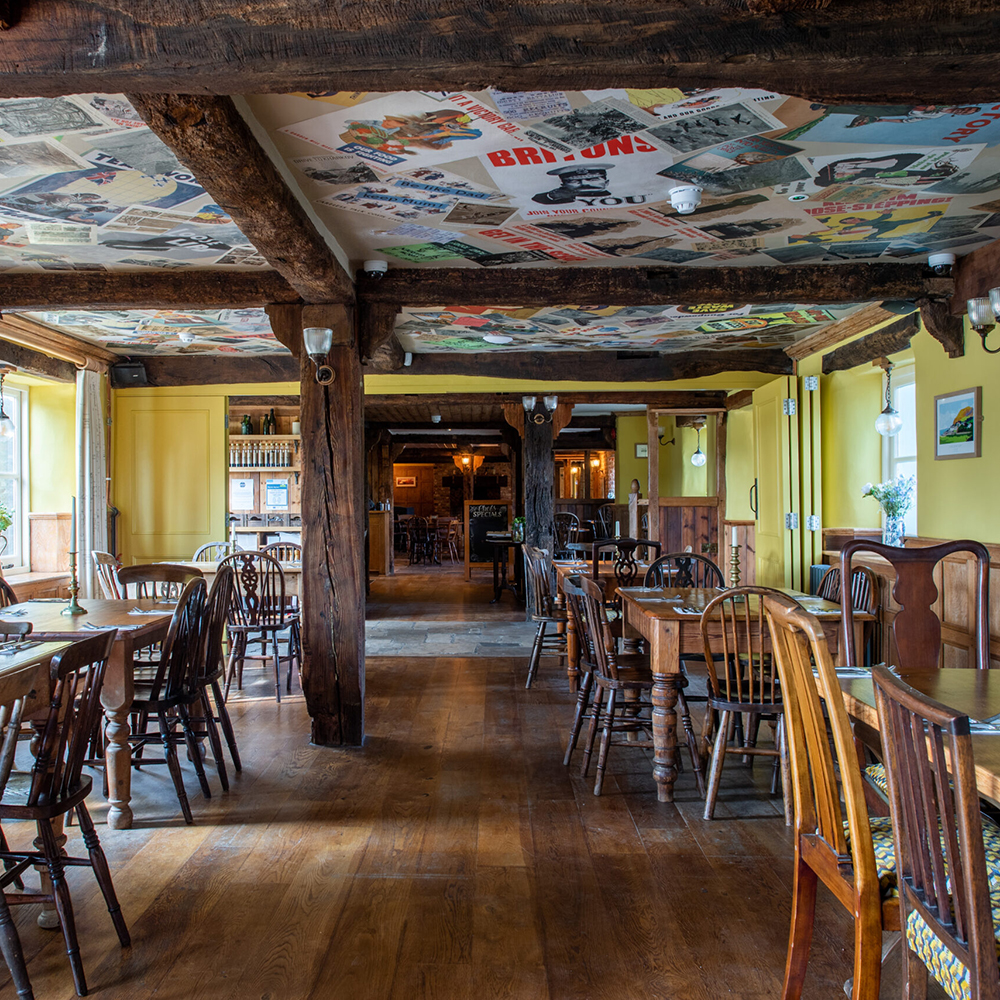
Inside a Proper Dorset Freehouse

Step through the door and you’re not hit with trends or theatre. This is a freehouse, meaning it isn’t tied to one brewery or pub company. That freedom matters. It shapes the whole feel of the place.

The bar typically reflects the county it sits in. Rather than novelty, the focus is on drinkable, familiar, well-made beer, often from Dorset and the wider South West. You’ll usually find cask ales from regional breweries such as Hall & Woodhouse, whose Badger ales are practically part of Dorset’s DNA, alongside rotating guest beers from producers like Palmers Brewery, Sixpenny Brewery, or Piddle Brewery.

What’s important is not the exact pump clips on any given day, but the intent: local, traditional, and chosen because it belongs behind that bar.

Alongside the ales you’ll usually find sensible lagers, West Country cider, and bottled beers for those not chasing the handpumps. Wine and spirits keep to the same principle: familiar, reliable, and well suited to a long sit rather than a quick round.

A Pub Built Around Time, Not Turnover

The World’s End isn’t a stop-and-go pub. It’s a linger pub. Walkers plan routes that end there. Drivers stop “just for one” and end up staying for two. Sunday afternoons quietly stretch into evening without anyone noticing.

Dogs settle under tables. Coats get draped over chairs. Conversations overlap. There’s a sense that nobody is being hurried along, which is becoming rarer in rural pubs.

This is where Dorset pubs earn their reputation. They don’t shout. They don’t need to.

Why Pubs Like This Still Matter

In a county full of beautiful villages and scenic drives, it’s pubs like The World’s End that stitch the countryside together. They’re landmarks as much as churches or crossroads. They give places identity, memory, and rhythm.

If you’re writing about:

  • Dorset village pubs
  • independent freehouses
  • local breweries and where to drink them
  • pub walks around Shaftesbury
  • traditional English inn culture

then The World’s End isn’t just a venue, it’s a reference point.

The Quiet Truth About The World’s End

Nobody goes there for the name alone. They go because it feels right. Because it’s where the road naturally pauses. Because Dorset does pubs best when they don’t try too hard.

You might arrive thinking it’s the end of something.
More often, it’s the start of a longer story.

Dorset Pubs Face Fresh Fears of Closures as Financial Pressures Grow

0
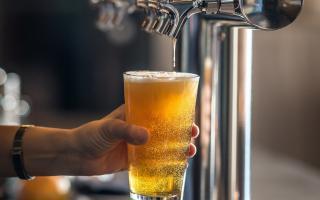
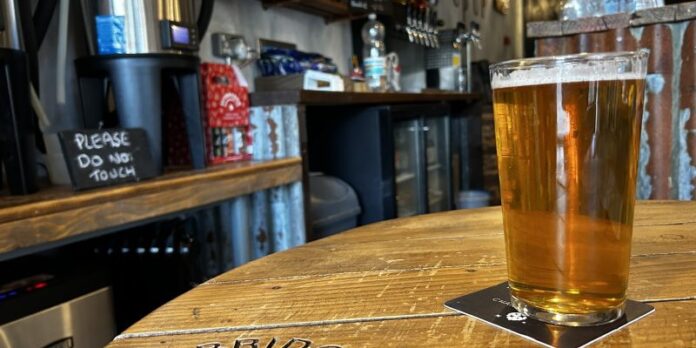
A pint of beer held in a hand inside a pub, showing golden ale and a frothy head.
Enjoying a fresh pint at the local pub.

Concerns are rising across Dorset that more pubs could be forced to close their doors as financial strain continues to mount on the hospitality sector.

Rich Gabe, spokesman for the West Dorset Campaign for Real Ale (CAMRA), says the playing field is becoming increasingly unfair.
According to him, supermarkets selling alcohol at “crazy loss-leading prices” combined with high beer duty and business rates are pushing many landlords to breaking point.

“As long as supermarkets can use alcohol as a loss leader and the Government keeps taxes high, it’s always going to be a one-sided battle,” Gabe said.
“This is why so many publicans have no choice but to sell up or walk away.”

Despite the common belief that most locals are brewery-owned, CAMRA says an increasing number of pubs are actually owned by property groups or investment firms.

CAMRA branch secretary Tony Egerton highlighted the issue:

“We have 18 pubs in our area operated by Punch Taverns, but they’re actually owned by American property company Fortress.”

Former publican and ex-Weymouth town councillor Luke Wakeling took to social media to defend the role pubs play in local life, saying the recent Budget delivered the opposite of what pubs and grassroots music venues desperately needed.

He pointed to higher beer duty, rising business rates, and soaring staff and energy costs as a combination that is devastating the sector.

“I’m an ex-publican, and I have a soft spot for the British pub. Pubs are a deep part of our culture. They’re a shared living room.
A good pub combats loneliness and boosts mental health. We can’t afford to lose them.”

Wakeling warned that closures are accelerating.
In 2024 alone, 412 pubs shut permanently — more than one every single day — including three in Weymouth.

“I fear the losses next year will be even greater. Can we afford to lose another thousand pubs? It’s the small, community pubs that do the most good that are most at risk.”

He urged locals to contact South Dorset MP Lloyd Hatton, saying he has written multiple times asking for support:

“He tells me he cares about pubs, but we need action, not words.
Please email him — the 106 pubs in his constituency need help before they’re all gone.”

A quick online search shows many Dorset pubs currently up for sale, although CAMRA warns some may simply be testing the market or appearing in outdated listings.

Related guide: read why so many UK pubs are closing for a clear explanation of the costs, property pressures and changing habits behind the national picture.

Pints on the Moor: Exploring the Pubs and Ales of Bodmin

0
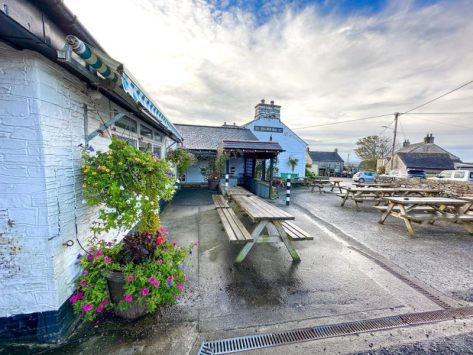
Pub garden with benches outside The Old Inn, St Breward on Bodmin Moor, Cornwall.
The outdoor seating area at The Old Inn, St Breward – Cornwall’s highest inn, popular with walkers and visitors to Bodmin Moor.

Bodmin Moor is one of those places that takes your breath away before you’ve even thought about your first pint. The wide skies, granite tors and rolling mist make it feel wild and untamed. But tucked away across this rugged landscape are pubs and breweries that have been keeping walkers, travellers, and the occasional smuggler refreshed for centuries. On my latest wander across the moor, I ducked into a few of them – and what I found was a mix of history, hearty hospitality, and some brilliant Cornish ales.


Jamaica Inn – Smugglers and Stories

No trip to Bodmin Moor feels complete without a stop at Jamaica Inn, the coaching house turned world-famous pub that’s as famous for its ghosts as its pints. Stepping inside feels like stepping into a novel – low ceilings, creaking floors, roaring fire. I ordered a pint of Jamaica Inn Ale, brewed by St Austell Brewery just for this pub. It’s a copper-amber bitter with a malty backbone and a crisp, dry finish. Not a showy beer, but when you drink it in a place steeped in 18th-century smuggling tales, it tastes like part of the history.

One regular told me with a grin, “The ghosts only show up after your third pint.” I didn’t stick around long enough to test the theory – but I can see why the pub has become such a magnet for visitors.

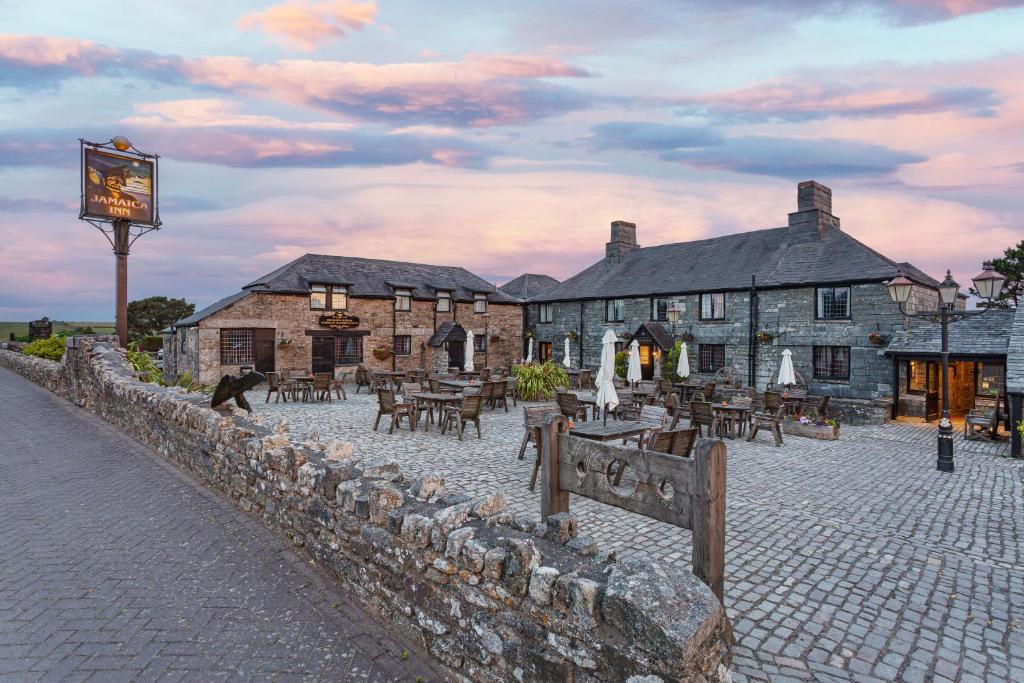
The historic Jamaica Inn pub on Bodmin Moor, Cornwall, famous for smuggling tales and ghost stories.
The Jamaica Inn, Cornwall’s legendary moorland pub known for its smuggling history and ghostly reputation.

The Old Inn, St Breward – Cornwall’s Highest Pub

From there I pushed up to The Old Inn in St Breward, Cornwall’s highest inn. It’s the kind of pub that feels like a reward at the end of a long muddy walk: dog-friendly, fires roaring, and hearty plates steaming out of the kitchen. I had a pint of Sharp’s Doom Bar, kept perfectly, before tackling their famous mixed grill. A couple at the next table told me they’ve been coming back every Sunday for years just for the carvery – and I could see exactly why.

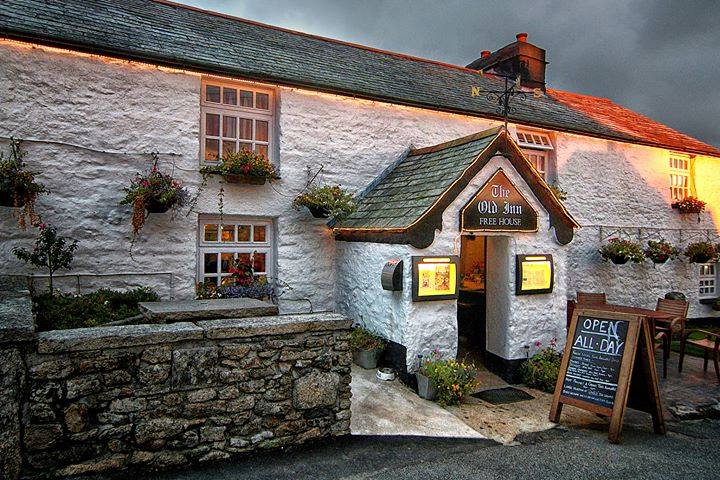
The Old Inn pub in St Breward, Cornwall – the highest inn in Cornwall, popular with walkers on Bodmin Moor.
The Old Inn, St Breward – Cornwall’s highest inn, offering hearty food, real ales, and a warm moorland welcome.

Penpont Brewery – Brewing with the Moor’s Spirit

On the edge of the moor sits Penpont Brewery, set up in converted farm buildings and fed by fresh Cornish spring water. Their beers taste like they’ve been shaped by the land itself. I tried Beast of Bodmin Moor, a ruby-red ale with a rich malt character and fruity finish that lived up to its name. Their Shipwreck Coast golden ale was another standout – bright, crisp, and packed with hoppy notes. It’s modern craft brewing rooted in the moor’s traditions.

Penpont Brewery logo – independent Cornish brewery on the edge of Bodmin Moor.
The logo of Penpont Brewery, founded in 2008 on the edge of Bodmin Moor, known for ales like Beast of Bodmin Moor and Shipwreck Coast.

Blisland Inn – Ale Heaven

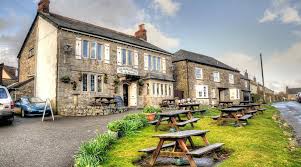
Further along, I came to the Blisland Inn, a place legendary among ale drinkers. Over the years, they’ve pulled thousands of different guest beers through the pumps – it’s like a permanent beer festival. I went for a pint of Cornish Knocker, light, floral, and refreshingly drinkable after a long trek. One chap at the bar leaned over and said, “You’ll never drink the same pint twice here,” and I had no reason to doubt him.

Exterior of the Blisland Inn, a traditional real ale pub on the edge of Bodmin Moor in Cornwall.
The Blisland Inn, famous for its ever-changing selection of real ales and warm moorland welcome.

St Tudy Inn – A Gastropub Surprise

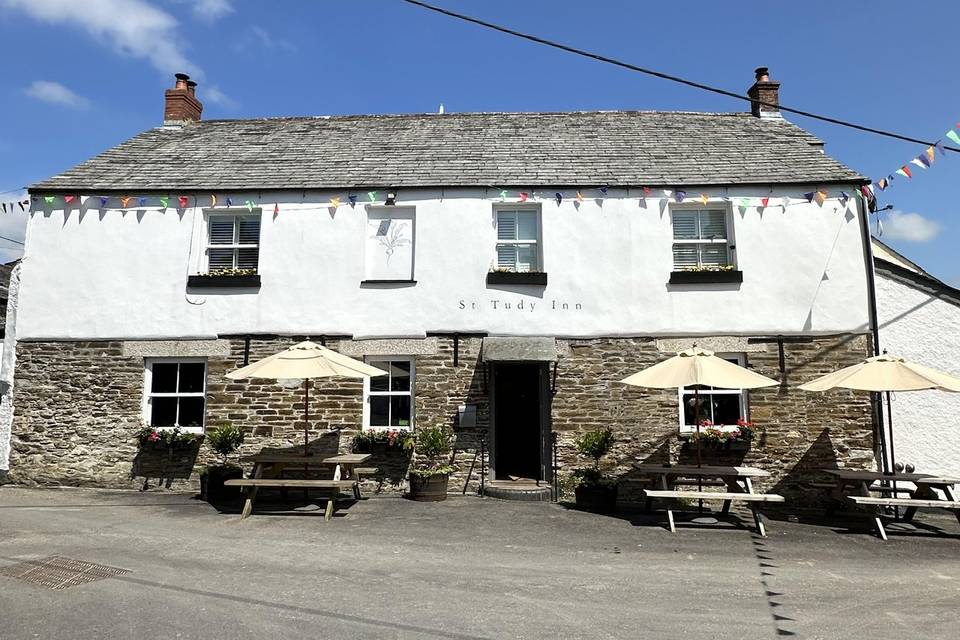
Not all moorland pubs are about muddy boots and log fires. The St Tudy Inn has built a reputation as a gastropub, offering refined plates alongside its cask ales. I sat down to a dish of local monkfish with saffron, washed down with their seasonal ale on tap. It felt polished, almost indulgent, but still rooted in that rustic Cornish charm.

Exterior of the St Tudy Inn, a gastropub in St Tudy village, Cornwall.
The St Tudy Inn, a gastropub on the edge of Bodmin Moor, serving seasonal Cornish dishes and cask ales.

Firebrand & Harbour – The Modern Edge

It’s not just the traditional pubs that keep Bodmin Moor alive with ale. Breweries like Firebrand Brewing Co., which began life in a converted milking parlour on the moor, are shaking things up with bold, hop-forward beers inspired by American styles but brewed with Cornish water and spirit. Meanwhile, Harbour Brewing in Bodmin has become one of the region’s fastest-growing names, producing everything from crisp pale ales to adventurous IPAs.


A Landscape of Pints and Stories

What struck me as I made my way across Bodmin Moor is how each pint tells a different story. From the smuggler’s lore of Jamaica Inn, the cosy welcome of St Breward, the ale paradise at Blisland, and the modern craft of Penpont and Firebrand – it’s a landscape best explored with a glass in your hand.


Closing Thought:
Bodmin Moor may be wild and windswept, but it’s also a place where pubs and breweries offer warmth, character, and a taste of Cornwall in every sip. Walk the tors, sure – but don’t forget to walk into the pubs. That’s where the real stories are poured.

St Austell Brewery: Cornwall’s Brewing Giant with a Proper Local Heart

0
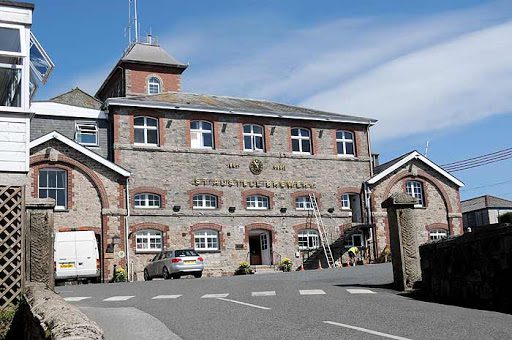
Exterior view of St Austell Brewery in Cornwall, one of the oldest and largest independent breweries in the South West.
St Austell Brewery – family-owned since 1851 and home to famous Cornish beers like Tribute, Proper Job, and Korev.

If you’ve had a pint in Cornwall, chances are it’s been pulled by St Austell Brewery. From seaside pubs to moorland inns, their beers have become part of the Cornish landscape. But behind every pint of Tribute or Proper Job is nearly two centuries of brewing history, family pride, and a knack for making beers that actually get talked about at the bar.


From 1851 to Today

St Austell Brewery was founded way back in 1851 by Walter Hicks, a Cornishman who started out as a wine merchant before trying his hand at brewing. Turned out he had a talent for it – and the brewery quickly grew into one of the biggest names in the South West.

It’s still independent, still family-owned, and still brewing in the same Cornish town it was born in. That’s part of the charm: while others have been snapped up by multinationals, St Austell has stayed true to its roots.

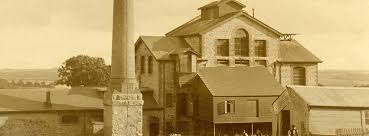
Historic photograph of St Austell Brewery in Cornwall during the late 19th century.
An early image of St Austell Brewery, founded in 1851 by Walter Hicks in Cornwall.

The Beers That Made Them Famous

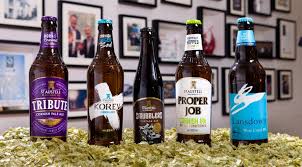
  • Tribute (4.2%) – Their flagship ale. Amber, balanced, with a citrusy lift that makes it a go-to for locals and tourists alike. Tribute isn’t just a Cornish favourite; it’s found its way onto taps all over the UK.
  • Proper Job (4.5%) – A bold, hoppy IPA that packs a punch but stays drinkable. If Tribute is the friendly all-rounder, Proper Job is the one that grabs your attention.
  • Korev Lager (4.8%) – Crisp, clean, and brewed with Cornish spring water. A true lager that doesn’t feel mass-produced. Perfect for a beach day pint.
  • Jamaica Inn Ale (4.2%) – Brewed exclusively for the famous Jamaica Inn on Bodmin Moor. Copper-amber, malty, with that dry finish you want in a proper bitter.

What St Austell does well is balance tradition with modern tastes. You can sip a pint of Tribute in a country pub, or grab a Korev after surfing – both feel right in their own way.

Bottles of St Austell Brewery beers including Tribute Ale, Proper Job IPA, and Korev Lager.
A selection of bottled beers from St Austell Brewery – Tribute, Proper Job, and Korev, brewed in Cornwall since 1851.

Beyond the Brewery – Pubs and People

St Austell isn’t just about beer. The company owns and runs over 170 pubs, inns, and hotels across Cornwall, Devon, and Somerset. From seaside spots with ocean views to historic coaching inns, they’ve got the West Country covered.

And while they’ve grown, they still talk about themselves as a family business. They invest in apprenticeships, sponsor local events, and push sustainability – all things that make you feel like every pint comes with a bit of Cornish pride.


Why It Works

St Austell Brewery has done what a lot of regionals have struggled with: they’ve kept their local identity while spreading nationally. They haven’t tried to become something they’re not – they’ve just made solid, tasty beers that people actually want to drink, and they’ve built a reputation for quality along the way.


Closing Thought:
Next time you order a pint of Tribute, Proper Job, or Korev, remember you’re not just drinking a beer – you’re sipping 170 years of Cornish brewing history. And if you find yourself in Cornwall, do it properly: have it in a St Austell pub with the sea breeze or moorland mist outside.

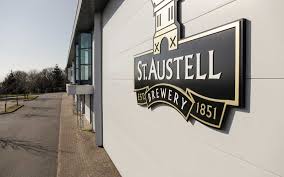
St Austell Brewery logo displayed on the side of the brewery building in Cornwall.
The St Austell Brewery logo painted on the side of the historic brewery in Cornwall, home of Tribute, Proper Job, and Korev.