Home Blog Page 13

Are Football Clubs Killing Britain’s Football Pubs?

0

As more supporters choose stadium bars and club-run fan zones, traditional matchday pubs are facing a growing threat.

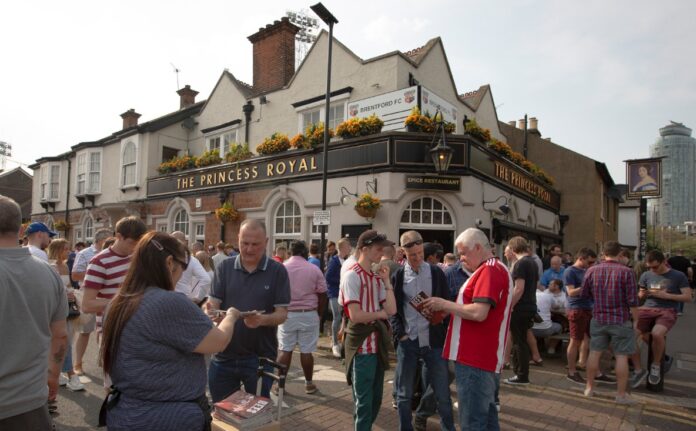
For generations, the football pub has been as much a part of matchday as the roar of the crowd and the first whistle.

Hours before kick-off, supporters would pack into local pubs, discussing team news, singing club songs and sharing a few pints before making their way to the ground. After the final whistle, those same pubs became places to celebrate famous victories or dissect disappointing defeats.

But across Britain, many landlords are beginning to ask an uncomfortable question.

Are football clubs slowly killing the very pubs that helped build their matchday culture?

A recent article in The Telegraph explored how an increasing number of clubs are investing heavily in their own bars, fan zones and hospitality areas, encouraging supporters to spend more money inside the stadium rather than in surrounding pubs.


The Rise of the Stadium Fan Zone

Modern football clubs are under constant pressure to increase revenue.

As ticket prices, broadcasting income and sponsorship deals grow ever more important, many clubs have turned their attention to matchday spending.

New stadium developments often include large indoor bars, food halls, entertainment areas and family zones. Some venues now open several hours before kick-off and remain busy long after the match ends.

For supporters, the convenience is obvious. Everything is located in one place, often with live music, large screens and club-branded experiences.

For local pubs, however, every pound spent inside the stadium is money that no longer reaches the surrounding hospitality businesses.


A Matchday Tradition Under Threat

Traditional football pubs have long been central to the supporter experience.

Many became famous in their own right, with walls covered in memorabilia and decades of stories passed down through generations of fans.

These pubs are more than drinking venues. They are community institutions where friendships are formed and club culture is preserved.

When supporters stop gathering in these establishments, landlords lose not only vital matchday trade but also the atmosphere and traditions that make football towns unique.


The Financial Impact on Local Pubs

For many pubs located near football grounds, matchdays can account for a significant proportion of weekly turnover.

A busy Saturday fixture may generate enough revenue to offset quieter periods during the rest of the week.

When clubs successfully retain supporters on-site, neighbouring pubs can experience noticeable declines in footfall and sales.

At a time when the pub industry is already dealing with rising wage costs, energy bills, business rates and supplier price increases, any reduction in dependable matchday income can have a serious impact.


What Landlords Are Saying

Pub operators across the country have voiced concerns that clubs are increasingly competing directly with local hospitality businesses.

Many believe that football clubs and pubs should work together rather than fight over the same customers.

Some landlords argue that the surrounding pubs help create the wider atmosphere that makes attending football special in the first place.

Without thriving local pubs, the matchday experience risks becoming more corporate and less connected to the communities that support the clubs.


Can Pubs Fight Back?

Despite the challenge, football pubs still offer something stadium bars cannot easily replicate.

Authentic atmosphere, local character, familiar faces and decades of tradition continue to draw loyal supporters.

Many landlords are responding by improving food, expanding outdoor areas, hosting live music and creating unique matchday offers.

The most successful football pubs understand that they are not simply selling drinks; they are preserving a ritual that remains deeply woven into British sporting culture.


More Than Just a Pint

The relationship between football clubs and local pubs should not be seen as a zero-sum battle.

Both play a role in creating the full matchday experience.

Supporters benefit from vibrant town centres, welcoming pubs and the camaraderie that begins long before they reach their seats.

Protecting football pubs means protecting part of the culture that has made British football famous around the world.


Final Whistle

Football clubs may be investing in larger bars and fan zones, but the traditional football pub remains one of the sport’s most cherished institutions.

Whether it is a pre-match pint, post-match debate or generations of supporters gathering in the same local, these pubs continue to provide something that cannot be manufactured inside a modern concourse.

The challenge for clubs and communities alike is to ensure that, as football evolves, the pubs that helped shape the game are not left behind.

Britain’s Best Pubs for the Perfect Pint of Guinness Revealed

0

From iconic London taverns to cosy countryside locals, Guinness lovers are travelling across England in search of that perfectly poured pint.

For many pub-goers, ordering a pint of Guinness is more than simply choosing a drink. It is an experience.

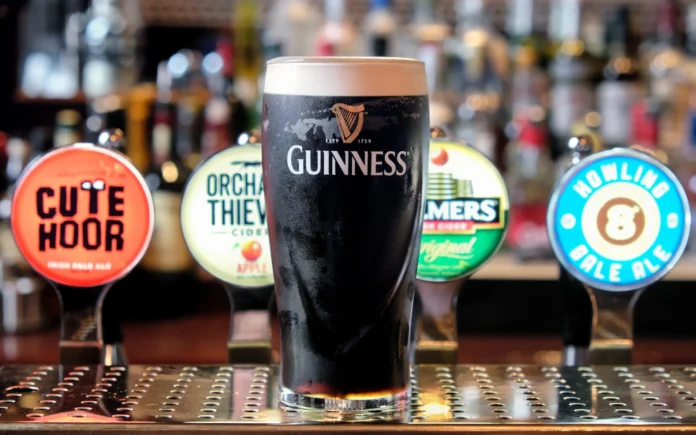
The anticipation begins as the bartender starts the famous two-part pour. The dark stout slowly settles, the creamy head forms, and after a short wait the pint is topped off to perfection. When done properly, Guinness delivers a smooth, rich and velvety taste that has earned a loyal following across Britain.

Now, a new feature in The Telegraph has shone a spotlight on some of the best pubs in England where drinkers can enjoy what many believe to be the perfect pint.

The article celebrates pubs that have mastered the art of serving Guinness, combining excellent cellar management, experienced staff and the kind of atmosphere that turns a simple drink into a memorable occasion.


What Makes a Perfect Pint of Guinness?

Guinness is famously served using a two-stage pour. The glass is first filled to around three-quarters, allowed to settle, and then topped up to create the iconic creamy head.

The process takes just under two minutes and, when done correctly, results in a perfectly balanced pint with a silky texture and distinctive roasted flavour.

But technique is only part of the story.

Cellar temperature, clean lines, well-maintained equipment and regular turnover all play a major role. Pubs that sell large volumes of Guinness often develop a reputation among drinkers who are prepared to travel significant distances for a consistently excellent pint.


The Guinness Boom in British Pubs

Guinness has enjoyed a remarkable surge in popularity in recent years.

Once seen primarily as a winter stout, the drink has become fashionable with a much wider audience, helped by social media, word-of-mouth recommendations and a growing appreciation for traditional pub culture.

Across the UK, pubs are reporting stronger demand than ever, and many landlords are taking pride in the quality of every pint they serve.

As Guinness enthusiasts frequently say, not every pint is created equal.


Pubs Worth Travelling For

The Telegraph’s feature highlights a number of standout pubs where Guinness has become a defining part of the experience.

These are the kinds of establishments where bartenders understand the importance of patience, where the cellar is run with precision, and where regulars will happily tell you that this is the best Guinness they have ever tasted.

Many of the pubs listed are traditional boozers with decades, and sometimes centuries, of history behind them. Others are lively city venues where the stout has developed a cult following.

What unites them is a commitment to quality and a deep respect for one of the world’s most famous beers.


Guinness as a Travel Experience

For many drinkers, finding the perfect pint has become a reason to explore new towns and cities.

A weekend away might include visits to several recommended pubs, comparing each pint and debating which one comes closest to perfection.

This growing interest has transformed Guinness into a form of pub tourism, with enthusiasts mapping out their own trails and sharing discoveries online.

For publications like Pub Social and The Best Pub Guide, it is a reminder that the great British pub remains one of the country’s most cherished attractions.


Pub Social’s Guinness Challenge

We want to hear from you.

Where have you enjoyed the best pint of Guinness in Britain?

Is it a historic London pub, a tucked-away village local, or a bustling Irish bar in the heart of a city?

Send us your recommendations and we may feature your favourite pub in an upcoming Pub Social article and on The Best Pub Guide.


Final Pour

A truly exceptional pint of Guinness is a sign of a pub that takes pride in every detail.

From the cleanliness of the cellar to the patience of the bartender, the perfect pint reflects craftsmanship, consistency and care.

As Guinness continues to captivate a new generation of drinkers, one thing is certain: the search for Britain’s best pint is far from over.

And for many pub lovers, that journey is every bit as enjoyable as the pint itself.


Have you discovered a pub that serves an outstanding pint of Guinness? Let us know in the comments or email news@pubsocial.co.uk.

Follow Pub Social for more pub news, beer stories and recommendations from across the UK.

St Austell Brewery Launches Plantable Beer Mats in Green Innovation Push

0
St Austell Brewery plantable beer mat with a pint of beer

The Cornwall-based brewer has introduced biodegradable beer mats embedded with wildflower seeds to showcase its latest sustainability progress across pubs, brewing and wholesale.

One of Britain’s best-known regional brewers has come up with a simple but imaginative way to turn a humble beer mat into a conversation about sustainability.

St Austell Brewery has launched biodegradable, plantable beer mats across its managed pub estate in the South West. Each mat is embedded with seeds, allowing customers to take them home and plant them after use.

The initiative has been introduced to mark the release of the company’s latest impact report, which outlines the progress it is making through its sustainability strategy, Crafting a Brighter Future.

Founded in 1851 in St Austell, the brewery is one of the South West’s largest independent brewers and pub operators, with a portfolio of around 45 managed pubs as well as a substantial wholesale drinks business.

A Beer Mat With a Purpose

Each beer mat includes a QR code that directs customers to the brewery’s impact report, where they can explore the company’s work to reduce waste, cut emissions and improve environmental performance across its operations.

Emily Coon, Sustainability Manager at St Austell Brewery, said:

“We’re proud of the progress we’re making across our business, but for us this has always been about bringing people with us on the journey.

“The plantable beer mats are a small idea, but they represent a bigger mindset — thinking differently about waste, creating moments for conversation, and making sustainability feel part of everyday experiences.”

Major Reductions in Waste

According to the company, all 45 of its managed pubs now operate on 100% renewable electricity.

Since 2023, total waste across the business has fallen by 49%, while general waste has been reduced by up to 40% year on year. Recycling rates have doubled, and all food waste is now diverted away from general waste streams.

The brewery has also committed to reaching net zero ahead of the UK government’s 2050 target and plans to hold its first Sustainability Week later in 2026.

Why It Matters

Beer mats have long been part of pub culture, often used to promote breweries, events and seasonal ales. By turning them into something that can be planted and grown, St Austell Brewery has created a practical reminder that small ideas can spark bigger conversations.

For pub-goers, it offers a tangible way to engage with sustainability while enjoying a pint. For the wider industry, it is another example of how breweries are finding creative ways to reduce waste and involve customers in their environmental efforts.

Would you plant your beer mat after finishing your pint?

Let us know what you think of this innovative idea in the comments.

Two Women Banned From Every Pub and Hotel in England and Wales

0

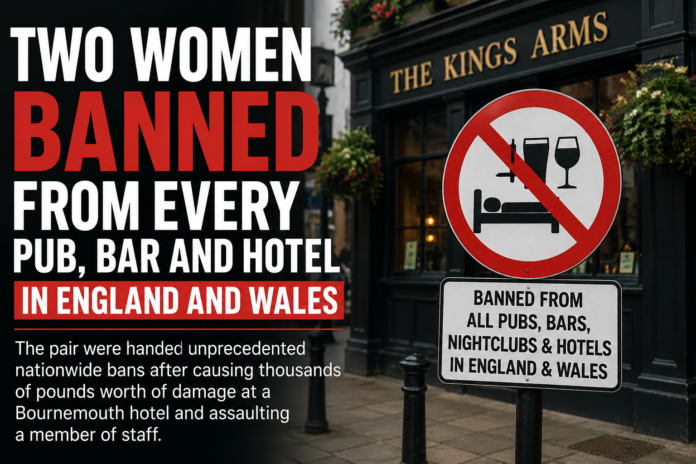
Two women have been handed one of the most unusual court orders seen in the hospitality industry after being banned from entering every pub, bar, nightclub and hotel in England and Wales.

The ruling follows a serious incident at a hotel in Bournemouth, Dorset, where the pair caused extensive damage and assaulted a member of staff who was simply trying to do their job.

For many people working in pubs and hotels, the story has struck a chord. Behind every bar and reception desk are staff who deal with difficult situations every day, often with remarkable patience and professionalism.

A Night That Ended in Chaos

According to reports, the two women caused thousands of pounds worth of damage after trashing a hotel room.

When a member of staff intervened, the situation escalated and the employee was assaulted.

The court later imposed suspended prison sentences, compensation orders and a nationwide exclusion order preventing the pair from entering licensed premises and hotels throughout England and Wales.

Standing Up for Hospitality Workers

For pub landlords, hotel managers and bar staff, the case highlights the challenges faced by people working in hospitality.

Most customers are respectful and appreciative, but staff are occasionally confronted with abusive or violent behaviour.

This ruling sends a strong message that attacks on hospitality workers will be taken seriously.

The Human Side of Hospitality

Pubs and hotels are built on people.

They are run by landlords who know their regulars by name, chefs who work long hours behind the scenes, and bar staff who help create welcoming spaces for communities to come together.

Stories like this remind us how important it is to support those who work tirelessly to keep Britain’s pubs and hospitality venues running.

Public Reaction

The case has generated widespread discussion online, with many people praising the court’s decision.

Others have pointed out that hospitality workers deserve the same protection and respect as any other profession.

For many within the industry, the decision is seen as an important step in safeguarding staff and deterring similar incidents.

More Than Just a Ban

This is not simply a story about punishment.

It is a story about the people who work in pubs and hotels every day and the need to protect them from unacceptable behaviour.

Hospitality is one of Britain’s great industries, built on hard work, dedication and a commitment to looking after others.


Suggested CTA

Do you work in a pub or hotel and have your own story about going above and beyond for customers? Share your experiences in the comments below.

600-Year-Old Yorkshire Pub Closes After Soaring Bills

0

The Fleece in West Yorkshire has called time after owners said rising wages, energy costs and fewer customers made the historic pub impossible to sustain.

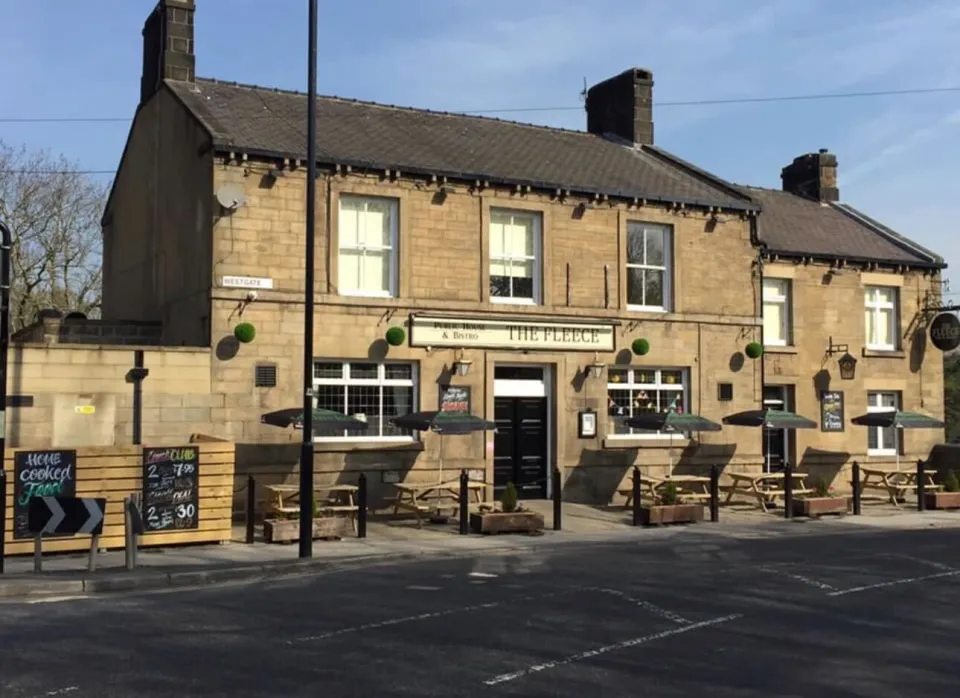
A historic West Yorkshire pub with roots stretching back more than 600 years has closed after its owners said rising costs and fewer customers made the business impossible to continue.

The Fleece, formerly known as The Golden Fleece, has been part of the local community since the 1500s and later became The Fleece in 1891. The pub was known as a meeting place for families, regulars and local events.

“Very heavy hearts”

The pub confirmed the closure after rumours began circulating locally.

In a message shared on Facebook, the team said they had made the “difficult decision to stop trading” after a crisis meeting.

They blamed “ever increasing wages”, utility bills and fewer people coming through the door, adding that they had tried events and lunchtime activities to increase income but could not cover the rising costs.

Locals react with sadness

Customers responded with sadness online, with many praising the team, the food and the atmosphere.

One customer said the team had “worked tremendously hard” and created a “wonderful pub”, while another said they would miss their weekly lunch and bingo visits.

Another blow for British pubs

The closure comes as the wider pub trade continues to face heavy pressure. The British Beer and Pub Association has reported that 161 pubs closed across Britain in the first three months of 2026, costing more than 2,400 jobs.

The loss of The Fleece is another reminder that historic pubs are not just businesses. They are meeting places, landmarks and part of local identity.

East London Landmark Pub Hits the Market as Long-Time Owner Retires

0

For many pub lovers, every great local has a story.

In East London, one well-known pub is now preparing to begin a new chapter after its long-standing owner decided it was time to retire.

The pub has been placed on the market, offering what many in the trade see as a rare opportunity to take over an established London venue with a loyal customer base and strong local identity.

The sale reflects a familiar pattern across Britain, where many independent landlords are stepping away after decades in the industry.

End of an Era Behind the Bar

Running a pub is more than just serving drinks.

For many landlords, it means years of early starts, late finishes, community events, and becoming a central figure in local life.

Retirement often marks an emotional milestone, both for owners and the regulars who have made the pub part of their routine.

Across the UK, many experienced publicans are reaching retirement age, and finding suitable successors has become increasingly important to preserve the character and history of Britain’s pubs.

A Rare Opportunity in East London

London remains one of the most competitive and exciting pub markets in the country.

An established East London pub offers significant potential for:

  • Traditional wet-led trading
  • Food-led development
  • Live music and events
  • Craft beer and real ale offerings
  • Community-focused hospitality

With East London continuing to attract both residents and visitors, well-positioned pubs remain highly desirable assets for experienced operators and first-time landlords alike.

Britain’s Pubs Face Major Challenges

The sale comes at a time when the British pub sector is facing intense financial pressure.

The British Beer and Pub Association recently reported that pubs across Britain are continuing to close at an alarming rate, with around two pubs a day shutting during the first quarter of 2026.

Operators are contending with rising wages, higher business rates, increased utility costs, and changing consumer habits.

Despite these pressures, demand remains strong for well-run pubs that offer excellent service, character, and a sense of community.

More Than Just a Business

Pubs are often described as the heart of British communities.

They host celebrations, support local charities, provide employment, and offer a place where people can meet face to face.

When an owner retires, it can feel like the end of an era, but it also presents an opportunity for new operators to build on years of tradition.

Locals will be hoping that whoever takes over the East London venue continues the atmosphere and spirit that made it such an important part of the neighbourhood.

A New Chapter Begins

The sale of this East London pub is a reminder that while ownership may change, the role of the great British pub endures.

For aspiring landlords, opportunities like this rarely come along.

For customers, it is a chance to see a familiar venue reinvented for a new generation while preserving the history and community connections that matter most.


Suggested CTA

Have you ever dreamed of running your own pub? Let us know in the comments.

British Pubs Closing At Nearly Two Per Day Across Britain In 2026

“British pub landlord serving beer as pub closures rise across the UK in 2026”
A traditional British pub landlord pulling a pint behind the bar inside a busy pub.

New industry figures reveal hundreds of pub closures already this year as operators warn mounting costs are pushing many venues to breaking point.

Britain’s pub industry is continuing to face major pressure in 2026, with new figures showing that almost two pubs per day closed during the first three months of the year.

According to data released by the British Beer and Pub Association (BBPA), 161 pubs shut their doors across England, Scotland and Wales between January and March 2026.

The closures are estimated to have resulted in around 2,400 job losses across the sector.

The figures have once again highlighted growing concerns within the hospitality industry over rising operating costs, increasing labour expenses and ongoing pressure from business rates and taxation.

Scotland Sees Biggest Losses

The latest data shows Scotland recorded the largest number of closures during the first quarter of the year, losing 41 pubs.

Wales was the only nation in Great Britain to record an increase in pub numbers during the same period.

Industry leaders say many pubs are still attracting customers, but profitability is becoming increasingly difficult due to rising overheads.

Emma McClarkin, chief executive of the BBPA, warned that many closures could be avoided if long-term support measures were introduced.

She said the issue was not necessarily a lack of customers, but the growing financial pressure facing operators.

“The scale of these closures is avoidable because pubs are doing a brisk trade, but their profits are wiped out by a disproportionate tax burden and huge costs.”

She added that the industry wants to work with government on a long-term strategy that would create “permanently lower bills” and a fairer system for hospitality businesses.

Government Introduces Business Rates Relief

Earlier this year, the UK government announced a new 15% business rates relief scheme for pubs and music venues, which came into effect in April.

Officials say the support package is intended to help venues remain viable while town centres and high streets continue to recover.

A government spokesperson said ministers were “backing Britain’s pubs” through a combination of tax support, draught beer duty reductions and additional hospitality funding.

The government also confirmed plans to continue its “Pride in Place” programme, which supports local regeneration projects across England.

Pressure Continues Across The Industry

The pub sector has faced several difficult years following rising energy costs, inflation, staffing shortages and changing customer habits.

Across Britain, many independent landlords say maintaining profitability has become increasingly challenging despite strong community support.

Locals across social media have continued to describe pubs as vital community spaces that remain important for live music, food, sport and social connection.

Many operators are now hoping further government support or reforms to business taxation could help stabilise the sector before more venues disappear permanently.

The BBPA figures follow reports that 336 British pubs closed during 2025.

London’s Best Sunday Roasts Worth Loosening Your Belt For

There are few things Britain takes more seriously than a proper Sunday roast.

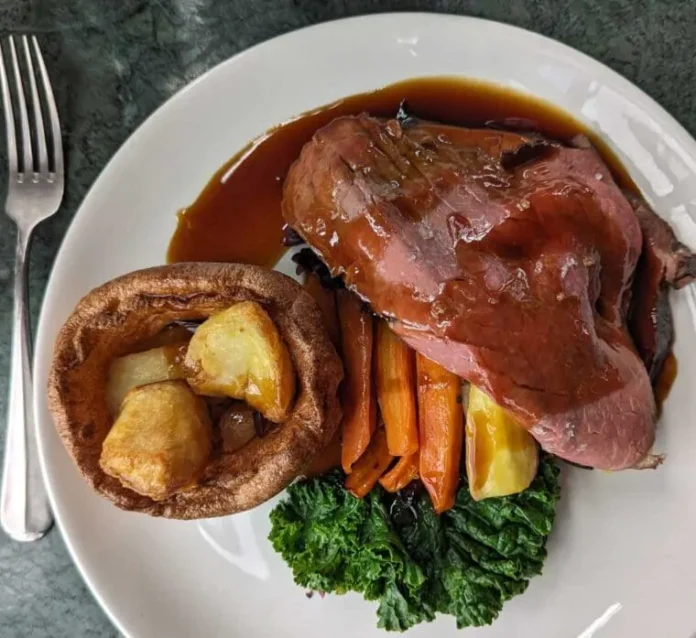
The debate over crispy roast potatoes, giant Yorkshire puddings, thick gravy and perfectly cooked beef has probably ended friendships across the country — and nowhere does the Sunday roast quite like London.

From historic pubs hidden down cobbled streets to stylish gastropubs serving towering plates of comfort food, the capital is packed with incredible places to spend a lazy Sunday afternoon.

Whether you want roaring fires, huge sharing boards, old-school pub charm or modern twists on the British classic, here are some of the Sunday roasts Londoners keep coming back for.

The Harwood Arms – Fulham

Widely regarded as one of the capital’s finest gastropubs, The Harwood Arms has built a huge reputation for its beautifully cooked roast dinners and Michelin-starred approach to British pub food.

Expect rich gravy, perfectly pink meat and roast potatoes that are dangerously addictive.

Blacklock – Shoreditch & Soho

Blacklock has become legendary in London for massive portions, incredible gravy and some of the best roast meats in the city.

Their famous all-in sharing roast has developed a cult following, with huge platters loaded with beef, pork and lamb alongside giant Yorkshire puddings and dripping-soaked roast potatoes.

The Spaniards Inn – Hampstead

If atmosphere matters as much as the food, few pubs compete with The Spaniards Inn.

Dating back centuries and packed with old-world charm, this historic London pub delivers a classic British roast in one of the capital’s most iconic pub settings.

The Duke of Cambridge – Islington

Known as Britain’s first certified organic pub, The Duke of Cambridge has become a favourite for those wanting high-quality ingredients alongside a traditional Sunday lunch.

Their seasonal vegetables and carefully sourced meats make this one of North London’s standout roast spots.

The Camberwell Arms – South London

The Camberwell Arms takes the Sunday roast and turns it into a proper feast.

Sharing platters, huge portions and bold flavours have helped this South London favourite build a serious reputation among roast lovers.

The Fox & Pheasant – Chelsea

This cosy Chelsea pub combines traditional British pub charm with refined cooking and beautifully presented roasts.

Expect rich gravy, crisp roast potatoes and proper comforting pub food in one of West London’s most loved gastropubs.

The Jugged Hare – Barbican

A long-time favourite with City workers and roast enthusiasts alike, The Jugged Hare is famous for its game-focused menu and expertly cooked Sunday lunches.

Their roast dinners feel traditional, hearty and unapologetically indulgent.

The Red Lion & Sun – Highgate

Tucked away in North London, this pub has quietly become one of the city’s most talked-about Sunday lunch destinations.

Known for huge Yorkshire puddings, quality meats and fantastic atmosphere, it’s regularly listed among London’s best roasts.

Why London Loves The Sunday Roast

The Sunday roast is far more than just a meal in Britain.

It’s:

  • family tradition,
  • comfort food,
  • pub culture,
  • and a proper social occasion.

Across London, pubs fill up every Sunday with friends, families and locals gathering around giant plates of roast dinners and pints of ale.

And while everyone claims to know where the “best roast in London” is… the truth is the debate will probably never end.

Who Gets Your Vote?

Have we missed your favourite Sunday roast spot?

Which London pub serves the ultimate roast dinner?

Let us know in the comments and tell us:

  • the pub name,
  • the area,
  • and what makes it special.

Fresh Pint, Fresh Start: Daventry Local Gets £110K Glow-Up

0

If your local suddenly looks a bit… too nice, you’re not imagining it. One Daventry pub has just had a serious makeover — and by the sounds of it, the locals are absolutely loving it.

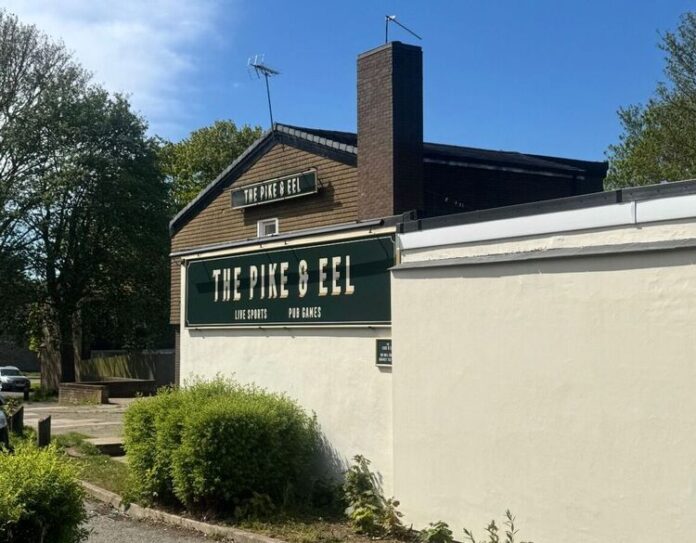
The Pike & Eel on Tamar Square has officially reopened after a £110,000 refurbishment, and it’s not just a lick of paint — this is a full transformation.


From Tired to Proper Local Again

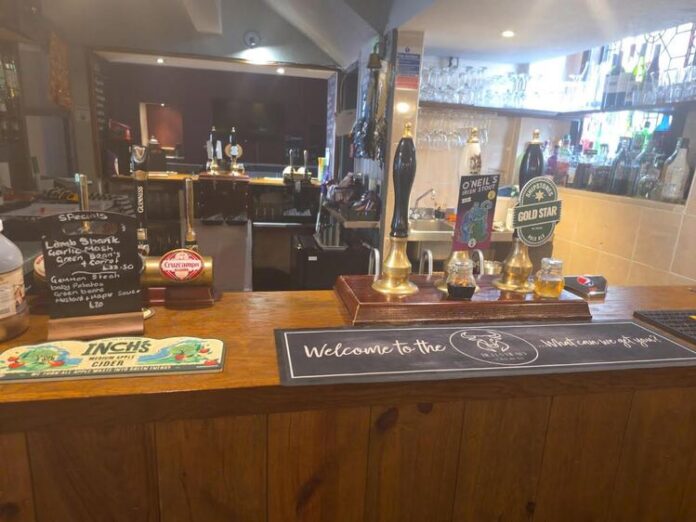
Inside, the place has been completely reworked. There’s a brand-new bar, fresh flooring, and a proper games area with darts and two pool tables — exactly what you want for a solid night out.

Outside has had just as much attention. New signage, upgraded lighting, and a revamped patio area mean the pub is now set up for both busy weekends and relaxed afternoons. There’s seating for around 25–30 people outside.


Locals Running It for Locals

The pub is run by experienced licensees Mark Ford and Lynn Dorney, who bring around 30 years of industry experience. They took over in March 2025 and have been steadily building the pub back into a true community venue.

Lynn Dorney said:
“It has been incredible to see the pub transform and to witness the community come together to celebrate. This is a true local, and our regulars are like family, so we are thrilled to be offering them a new and improved pub. We want to extend our thanks to our hardworking team at the pub and everyone at Admiral Taverns who have gone above and beyond to make this renovation a success. We look forward to seeing this pub thrive.”


Entertainment Back on the Map

This isn’t just a visual upgrade — it’s about bringing the atmosphere back.

The pub now hosts a regular schedule of events, including weekly pool and darts nights, live music on Fridays, and monthly karaoke. It’s the kind of setup designed to keep people coming back through the week, not just weekends.


Drinks Deals and Classic Pub Food

Behind the bar, you’ll find familiar favourites including Guinness, Cruzcampo and Carling. There’s also a standout offer running daily — four shots for £10.

On the food side, the pub is keeping things traditional with full English breakfasts from Thursday to Sunday and a weekly Sunday roast.


Supporting the Community

The Pike & Eel is also continuing its role in the local community, hosting fundraising events and supporting Friends of Danetre Hospital. The aim is clear — not just to run a pub, but to bring people together and give something back locally.


Final Round

A £110,000 investment, experienced operators, and a strong focus on community — this is exactly the kind of turnaround many locals want to see.

The question is, could your local pull this off… or would it lose what made it special?

Village Favourite Gets £90K Makeover in Bakewell

0

If you’ve ever walked into a pub and thought “this place just needs a bit of love”… well, that’s exactly what’s just happened in the Peak District.

The Bulls Head in Youlgreave, near Bakewell, has officially reopened after a £90,000 refurbishment — and locals are hoping it’s brought the heart back into a proper village pub.


A Proper Refresh, Not Just a Touch-Up

This wasn’t just a quick tidy-up job. The investment has gone into real upgrades that actually make a difference.

Inside, the pub now features brand-new fixtures and fittings throughout, along with new windows, roof repairs, and a refreshed kitchen. There are also three huge 74-inch screens installed — perfect for sport, events, or just keeping everyone entertained.

The goal is simple: take a solid local and make it somewhere people want to spend time again.


New Energy Behind the Bar

Running the show are licensees Donna and Stephen Perry, who’ve been in hospitality for the past five years and clearly see this as more than just a business.

They’ve made it clear they want The Bulls Head to be a proper community hub — family-friendly, dog-friendly, and somewhere locals actually feel part of.

Donna Perry said:
“I’m absolutely thrilled with the results of the repairs. We’ve loved every minute of our time here so far and I want to thank everyone — from our family and friends to our customers and Admiral Taverns — for all their support. I’m really excited for what the future holds.”


Quiz Nights, Live Acts and a Busy Calendar

It’s not just about how it looks — it’s about what’s going on.

The pub is rolling out a full schedule of regular events, including:

  • Weekly quiz nights every Thursday at 8:30pm
  • Live entertainment every Saturday evening
  • Comedy acts and live singers

There are also plans for regular fundraising events to support local causes, keeping that community connection strong.


Solid Drinks Line-Up and Proper Pub Food

Behind the bar, you’ll find the usual favourites like Guinness, Cruzcampo and Moretti, alongside a wider selection to keep everyone happy.

Food-wise, they’re going all in. The menu includes burgers, lamb shanks and pizzas, with pizza served Monday and Tuesday from midday to 10pm, and the full menu available the rest of the week.


Backed by a Big Name

The pub is owned by Admiral Taverns, one of the UK’s largest community pub operators, with over 1,300 sites across the country.

Business Development Manager Mark Bromley said the couple have already built a strong local following and praised their commitment to the community.


Final Round

A £90,000 investment, new operators with energy, and a clear focus on bringing people together — this is exactly the kind of story locals want to see more of.

The question is… does a refurb like this make a pub better, or risk changing what people loved about it in the first place?