Home Blog Page 4

Whitelock’s Ale House: Inside One of Leeds’ Great Victorian Pubs

0
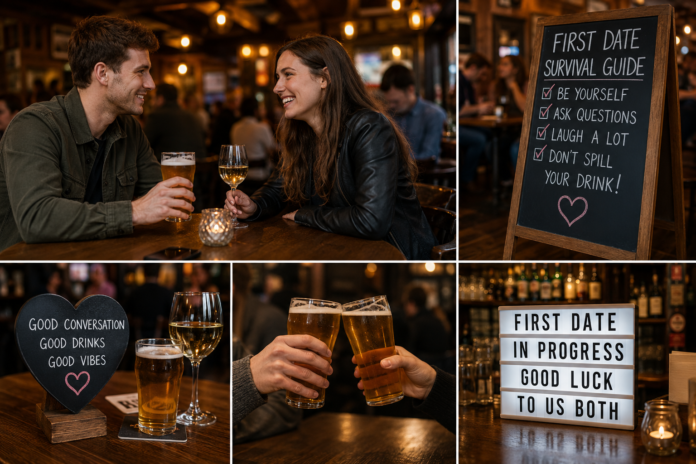
Couple enjoying a relaxed first date over drinks in a traditional British pub.
A relaxed first date over a pint—proving that Britain's pubs remain one of the best places to break the ice.

This is a researched venue profile, not a claim of an anonymous visit. Check directly with the pub for current opening hours, menus and accessibility.

Whitelock’s Ale House sits in Turk’s Head Yard in central Leeds, occupying a narrow site that preserves the shape of a medieval burgage plot. What makes the pub nationally important, however, is the survival of its late-Victorian interior.

A luncheon bar built to impress

Historic England describes Whitelock’s as one of the best examples of an upmarket Victorian luncheon bar. Its 1895 decorative scheme includes fixed bench seating, brass barley-twist columns, stained glass, mirrors and a rare ceramic-tiled bar counter. The combination offers a compact lesson in how prosperous urban pubs once used craft and spectacle to attract customers.

When electric lighting arrived in 1897, a revolving searchlight was reportedly placed at the entrance. The pub later became associated with Leeds’ artistic and cultural life; Historic England notes famous visitors including actor Peter O’Toole and ballerina Margot Fonteyn, while John Betjeman called it “the very heart of Leeds”.

Why Grade II* matters

Whitelock’s was upgraded to Grade II* in 2022. That is the second-highest level of listing and recognises more than age: it reflects the rarity and quality of the surviving interior. Only a small proportion of listed buildings reach this grade.

What to look for

The details are the point. Notice how mirrors make the narrow room feel larger, how the tiled counter differs from modern timber bars and how the yard shapes the arrival. A visit is best treated as both a pint and a piece of living social history.

Profile verdict: Whitelock’s stands out because the Victorian design is not sealed behind museum glass. It remains part of an operating city-centre pub.

Source: Historic England

Camden Hells Lager: The Pilsner-and-Helles Idea Behind the Name

closeup of a bartender pouring a dark stout beer in tap with subject and focus on the right

This is a researched beer profile based on the brewery’s published product information, not an independent tasting.

Camden Hells takes its name from the meeting of two German lager traditions: Helles and Pilsner. The first is known for soft, clean malt and restrained bitterness; the second is typically drier and more hop-defined. Camden’s idea is to bring elements of both into a modern London lager.

What should that mean in the glass?

Expect a pale, clear beer with crisp carbonation, light bready malt and a firm but controlled hop finish. It should be refreshing without becoming flavourless. Compared with a standard mass-market lager, the malt and hop detail ought to be easier to notice; compared with an IPA, the aroma and bitterness should remain restrained.

Freshness is part of the review

Lager leaves little room for faults to hide. A clean glass, cold but not frozen serving temperature and well-maintained lines all matter. Butter, sweetcorn, cardboard or a persistently dirty aroma can indicate brewing, age or dispense problems rather than the intended profile.

Food that makes sense

Crisp lager is one of the safest pub-food choices. Salt and fat are reset by carbonation and bitterness, so fish and chips, fried chicken, pizza and a cheeseburger all work. Lighter dishes such as grilled fish or a chicken salad will not be overwhelmed.

Bottom line: Camden Hells is best understood as a flavourful but accessible lager. The Pilsner/Helles concept promises more character than a neutral pint while keeping the clean finish that makes lager so popular.

Source: Camden Town Brewery

Beavertown Neck Oil: What Makes This Session IPA So Approachable?

closeup of a bartender pouring a dark stout beer in tap with subject and focus on the right

This article is a researched beer profile based on information from Beavertown. It does not claim a first-hand tasting.

Beavertown calls Neck Oil its original flagship and describes it as a 4.3% session IPA: fresh, zesty and designed to be easy to drink. The name came from founder Logan Plant remembering his grandfather saying he was going to the pub to “oil his neck”.

Session IPA explained

An IPA usually signals hop-forward flavour. “Session” indicates a lower, pub-friendly strength than many full IPAs, though it is not a health claim and the units still add up. Neck Oil tries to combine pale-ale flavour with the crisp drinkability familiar to lager drinkers.

The brewery highlights citrus and passionfruit. Its published hop list includes Columbus, Centennial, Simcoe, Amarillo, Galaxy, Vic Secret and Mosaic. That mix points towards grapefruit, tropical fruit, resin and bright aroma rather than the hedgerow and spice of traditional English hops.

What should the pint feel like?

The intended character is lively and aromatic with a smooth, easy finish. It should not taste harsh, vinegary or dull. Because hop aroma fades with age and poor storage, freshness and clean dispense are especially important for this style.

What to eat with it

Citrusy session IPA is versatile. Fish tacos, a chicken burger, salty chips or a spicy pizza all give the hops something to cut through. A mild cheese can work, while a very sweet dessert is likely to make the beer seem more bitter.

Bottom line: Neck Oil is built as a bridge: more aromatic than standard lager, less demanding in strength and bitterness than many IPAs, and easy to understand from the first sip.

Source: Beavertown Brewery

BrewDog Punk IPA: A Guide to the Beer That Took Craft Ale Mainstream

closeup of a bartender pouring a dark stout beer in tap with subject and focus on the right

This is a researched profile using BrewDog’s current product information. Recipes can change, so check the pack or bar listing for the latest details.

Punk IPA launched in the early BrewDog years and became one of the most visible symbols of Britain’s craft-beer boom. Its wider importance is straightforward: it helped make words such as IPA, Citra and tropical hops familiar far beyond specialist beer bars.

What is the flavour idea?

BrewDog describes the current Punk IPA as golden, crisp, bright and bold, with caramel, grapefruit, pineapple and lychee leading into a spiky bitter finish. It is listed at 5.4% ABV. The emphasis is firmly on New World hop character rather than the earthy and peppery profile of a traditional British bitter.

That means citrus and tropical fruit should arrive before the bitterness. Malt offers enough sweetness and body to stop the beer feeling thin, but it is not meant to dominate. Compared with a hazy New England IPA, Punk should appear clearer and finish more sharply bitter.

Who will enjoy it?

It suits drinkers who want a noticeable hop aroma and a clean bitter finish without moving into double-IPA strength. Lager drinkers may find the bitterness pronounced; fans of modern hazy beer may find it leaner and more direct.

Food pairings

Hop bitterness works well with rich or fried food, while citrus can lift spice. Burgers, hot wings, sharp Cheddar and a curry with aromatic rather than punishing heat are sensible pub-table partners. Strong bitterness can amplify chilli, so balance matters.

Bottom line: Punk IPA is a mainstream craft reference point: tropical, citrus-led and deliberately bitter, with enough history to deserve a place in any guide to modern British beer.

Source: BrewDog

Guinness Draught: Why the Famous Stout Looks Black but Is Actually Ruby Red

closeup of a bartender pouring a dark stout beer in tap with subject and focus on the right

This profile summarises specifications and serving information published by Guinness. It is not presented as an independent tasting.

Guinness Draught is often called the black stuff, but hold a thin edge of the glass to the light and the beer shows a deep ruby-red colour. The contrast between that dark body and its pale, tight head has become one of the most recognisable sights in any pub.

Flavour and texture

Guinness describes roasted coffee and chocolate on the aroma, with bitter, sweet and roasted notes in balance. It is 4.2% ABV in Great Britain. The ingredients listed by the brewer include water, malted barley, barley, roasted barley, hops, nitrogen and yeast.

Nitrogen is central to the texture. Its tiny bubbles create the smooth mouthfeel and dense head associated with the beer. Guinness Draught itself arrived in 1959, two centuries after Arthur Guinness signed the famous long lease at St James’s Gate.

Why the two-part pour?

In the pub, Guinness recommends filling a clean, dry glass held at 45 degrees to roughly three-quarters, allowing the surge to settle, then topping up. The pause is about presentation and the behaviour of the nitrogenated beer; it does not make a poor line, dirty glass or stale keg taste better.

Food and expectations

Roast meat, oysters, beef stew, mature cheese and chocolate desserts all have flavours that can connect with stout’s roasted grain. Despite its appearance, Guinness Draught is not especially high in alcohol or heavy with sugar. Its dry roast and gentle bitterness can make it feel lighter than newcomers expect.

Bottom line: Guinness Draught combines a dry roasted profile with unusually soft texture. The theatre matters, but clean glassware, correct gas and steady throughput matter more.

Source: Guinness

Old Speckled Hen: The Beer Named After an MG Factory Runaround

closeup of a bartender pouring a dark stout beer in tap with subject and focus on the right

This is a researched beer profile based on Greene King’s published history and tasting notes, not a first-hand review.

Old Speckled Hen has the look and name of a beer that might have been pulled in coaching inns for centuries. In fact, it was first brewed in 1979 to mark the 50th anniversary of the MG car factory in Abingdon, Oxfordshire. Its name recalls an old factory runaround car nicknamed the “Owld Speckl’d Un”.

Rich malt is the main event

Greene King describes an auburn-to-copper beer with toffee and caramel from a high proportion of Crystal malt. Fermentation contributes fruity esters reminiscent of banana or pear drops, while Pilgrim, First Gold and Goldings hops bring herbal character and a light orange-citrus edge.

The result is fuller and warmer than a light session bitter. Bottle and can are listed at 4.8% ABV, with cask and keg at 4.5%. That difference, together with carbonation and serving method, means the packaged and draught experiences will not be identical.

Who is it likely to suit?

Drinkers who enjoy malt-led ales, caramel, fruit cake or traditional British bitter are the natural audience. Those seeking a dry lager or a sharp, tropical IPA may find it sweeter and rounder than expected. Serving it cool rather than ice-cold allows the malt and fruit to show more clearly.

What to eat with it

The brewer recommends pies, sausages, roasts, barbecue food and even sticky toffee pudding. The savoury matches echo its roast and caramel notes; the dessert pairing works by matching sweetness while the hops add contrast.

Bottom line: Old Speckled Hen is a characterful, malt-forward ale with a modern origin story disguised by a wonderfully old-fashioned name.

Source: Greene King

Sharp’s Doom Bar: A Straight-Talking Guide to the Cornish Amber Ale

closeup of a bartender pouring a dark stout beer in tap with subject and focus on the right

This researched profile uses the brewery’s published tasting notes. It does not claim an independent first-hand tasting.

Sharp’s Doom Bar takes its name from the sandbank at the mouth of Cornwall’s Camel Estuary. It is also one of the most widely recognised amber ales on British bars, a familiar option for drinkers who want more malt character than a lager without the intensity of a modern IPA.

What should it taste like?

Sharp’s describes a spicy hop aroma alongside sweet roasted malt. The body is medium, the flavour combines dried fruit with lightly roasted malt and the finish carries subtle bitterness. Cask Doom Bar is listed at 4% ABV, while keg, can and bottle versions are 4.3%.

In practical terms, expect copper-to-amber colour, gentle fruit and toast, then a clean bitter edge. The brewery rates its bitterness at 2.5, placing it in approachable territory rather than the tongue-coating end of the scale.

Why the format matters

Cask beer continues to develop in the pub and is served with softer natural carbonation. Packaged beer is designed for stability. They share a name and broad flavour profile, but texture and freshness can differ. A well-kept cask pint should taste bright and composed; sourness, papery oxidation or a dirty aroma are faults, not part of the intended character.

Food to order with it

Sharp’s recommends Sunday roast or steak and chips. The reasoning is solid: roasted malt mirrors browned meat, dried-fruit notes work with gravy and the hop finish stops the pairing becoming heavy. A Cornish pasty, mature cheese or mushroom pie would follow the same principle.

Bottom line: Doom Bar is an accessible amber ale with roast, fruit and modest bitterness. Its broad availability makes it a useful test of a pub’s cellar standards as well as an easy entry point into cask ale.

Source: Sharp’s Brewery

Fuller’s London Pride: What to Expect From London’s Famous Ale

This is a researched beer profile based on the brewer’s published specifications, not a claim of first-hand tasting.

Fuller’s London Pride is among the most recognisable names in English ale. It has been brewed under the Griffin at Chiswick since the 1950s and remains closely associated with the pubs, streets and drinking culture of the capital.

Flavour in plain English

Fuller’s describes London Pride as tawny in colour, with sweet raisin, biscuit and dried-fruit notes from Crystal malt. The hops bring fresher, pine-like and herbal aromas, while the finish is clean and balanced rather than aggressively bitter. The canned version is listed at 4.1% ABV and uses Pale, Crystal, Chocolate and Amber malts.

For drinkers used to lager, the main difference is likely to be the malt: more biscuit, toast and dried fruit, with softer carbonation. For drinkers used to heavily hopped craft IPA, London Pride will usually seem rounder, less tropical and more restrained.

Cask or can?

A can offers consistency and convenience, but cask-conditioned London Pride is finished in the pub cellar. That can create a gentler texture and a more integrated flavour when the beer is fresh and the lines are clean. It can also expose weak cellar practice, so the condition of the pint matters as much as the name on the pump clip.

Food pairings

The beer’s biscuit malt and measured bitterness make it a flexible companion for pub food. Steak and ale pie, sausages, a ploughman’s lunch and roast chicken all sit comfortably beside it. A salty mature Cheddar can bring out the beer’s fruit, while the hops help reset the palate after rich gravy.

Bottom line: London Pride is not designed to shout. Its appeal lies in balance—malt sweetness, dried fruit, herbal hops and a tidy finish in a pint that feels unmistakably English.

Source: Fuller’s Brewery

Timothy Taylor’s Landlord: A Guide to the Classic Yorkshire Pale Ale

closeup of a bartender pouring a dark stout beer in tap with subject and focus on the right

This is a researched beer profile based on information published by the brewery. It is not presented as a first-hand tasting.

Timothy Taylor’s Landlord is one of the reference points for traditional British pale ale. Brewed in Keighley, West Yorkshire, it has the balance many drinkers expect from a well-kept pint of cask beer: enough malt to give it shape, enough fruit to keep it lively and a hop finish that encourages another sip without overwhelming the glass.

What should Landlord taste like?

The brewery describes an amber beer with citrus and fruity aromas, a smooth malt body, a touch of sweetness and a lingering but gentle bitter finish. The recipe uses Golden Promise malt, whole-leaf Goldings, Fuggles and Savinjski Goldings hops, together with water from the Knowle Spring beneath the brewery.

That combination places Landlord between the caramel-heavy image of old-fashioned bitter and the louder tropical character of a modern IPA. Expect clarity and balance rather than a single dominant flavour. In cask form it should feel softly carbonated, with the pub’s cellar work playing a major part in the final pint.

Why does it have such a strong reputation?

Landlord has won CAMRA’s Champion Beer of Britain title four times. Timothy Taylor’s also says it became the first beer to hold that honour and the Brewing Industry International Awards Supreme Champion title at the same time, in 1999–2000. Awards do not guarantee that every individual pint will be perfect, but they explain why the pump clip carries so much weight with real-ale drinkers.

What food works with it?

The brewery suggests fish and chips, duck and mature cheese. Those pairings make sense: the beer’s bitterness can cut through fried food, while its malt and fruit have enough depth for richer dishes. For a first try, order a half before committing to a pint and look for a fresh, clean aroma rather than vinegar, wet cardboard or butter-heavy flavours.

Bottom line: Landlord is a useful benchmark for British cask pale ale—balanced, quietly complex and especially rewarding when the pub keeps it well.

Source: Timothy Taylor’s Brewery

Wetherspoon phone speaker ban rolls out across all 792 pubs

0

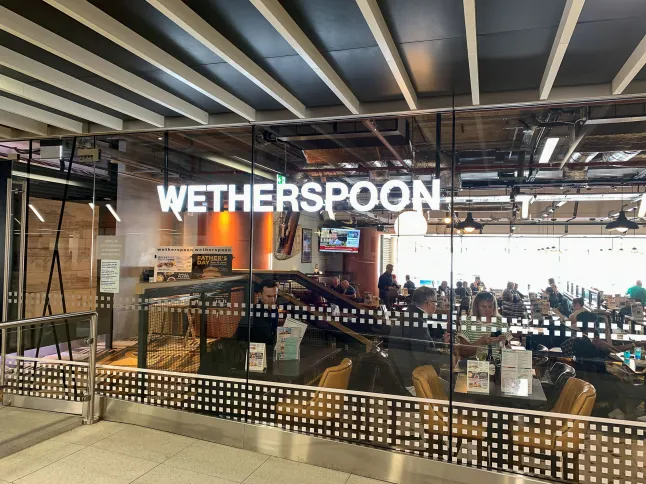
Wetherspoon has introduced a phone speaker ban across 792 pubs. Customers must not play music or videos aloud, or take calls on speakerphone. They can still use their phones, but audio must be muted or heard through headphones.

The chain says complaints from customers prompted the move. Many guests were frustrated by intrusive sound from smartphones and tablets. As a result, new notices ask people to respect those around them. They must switch devices to silent mode or use earphones. Wetherspoon hopes this will protect the calm atmosphere found in many of its venues.

What exactly does the Wetherspoon phone speaker ban cover?

The policy targets amplified audio from personal devices. For example, it covers music from a phone speaker, short videos, social media clips and calls on speaker mode. The same rule covers tablets and other portable devices.

Phones themselves remain welcome. Customers can message, browse, read the news or order through an app. In addition, they can take a conventional call quietly. The practical rule is simple. If people at other tables can hear your device, silence it or connect headphones.

Metro reports that Wetherspoon introduced the updated rule on Monday, 17 August 2026. It applies across the 792-pub estate. Consequently, pubs have displayed signs that explain the request. This gives customers a clear warning before staff need to intervene.

Why is Wetherspoon tightening its phone rules?

Wetherspoon says phone and tablet noise has become a growing problem. One short clip or call may seem harmless. However, several devices can quickly overwhelm a room. As a result, the extra sound can make ordinary conversation difficult.

Founder and chairman Sir Tim Martin says the policy will help pubs remain calm places for conversation. Therefore, guests should not have to compete with another customer’s playlist, video feed or amplified call. They should be able to enjoy a drink or meal in peace.

A long-standing preference for music-free pubs

The new emphasis fits Wetherspoon’s history. Tim Martin opened the company’s first pub without background music in 1979. Since then, the group has made the absence of piped music part of its identity. This helps distinguish its venues from bars built around a permanent soundtrack.

Earlier company material said the vast majority of Wetherspoon pubs were music-free. It listed 46 Lloyds No.1 bars as the exception. In addition, the company said pubs generally mute televisions when showing news or major sport. Previous notices asked guests to turn device sound off or use headphones. The latest coverage gives that request much greater nationwide prominence.

How does the rule compare with other UK pub policies?

Reports describe Wetherspoon as the first major UK pub chain with a specific estate-wide rule on phone loudspeakers. Many venues already challenge disruptive behaviour under normal house rules. A named national policy makes the expected standard clearer and more consistent.

Samuel Smith pubs have historically taken a stricter approach to screens, with rules covering mobile phones, laptops and other technology. By contrast, Wetherspoon’s policy is narrower: the device itself is not the problem. Instead, the focus is the unwanted sound it produces and the effect that sound has on other customers.

The wider debate over “headphone dodging”

The pub policy lands during a wider public argument about audio played aloud in shared spaces. Last year, Transport for London launched its Headphones On awareness campaign. It asks passengers to keep music, videos and calls private on buses, trains and the Underground.

The Liberal Democrats have proposed fines of up to £1,000 for loud audio on public transport. Their plan would target people who deliberately disturb fellow passengers. However, it is only a proposal and does not govern Wetherspoon pubs. Meanwhile, a 2025 poll found 62% supported fines and 28% opposed them. Support reached about three quarters among pensioners.

What customers need to know before visiting

Customers do not need to leave their phones at home. They can browse, message and use apps quietly. Anyone watching a video, playing music or joining an online call should wear headphones. People taking an ordinary call should avoid speaker mode and keep their voice at a considerate level.

This is a company house rule, not a new criminal offence. Clear signs and polite intervention from pub teams will support it. Customer cooperation will matter too. As a result, most visitors may notice only one change: fewer sudden bursts of audio cutting across their conversation.

The bottom line

At heart, the Wetherspoon phone speaker ban concerns pub etiquette more than technology. The chain wants sociable venues, not rooms full of competing personal sound systems. Ultimately, its instruction across all 792 pubs is clear. Keep the sound off, use headphones and let other people enjoy their visit too.